UCMI Field Research in São Tomé and Príncipe Explores How Malaria Mosquitoes Adapt to Their Environment
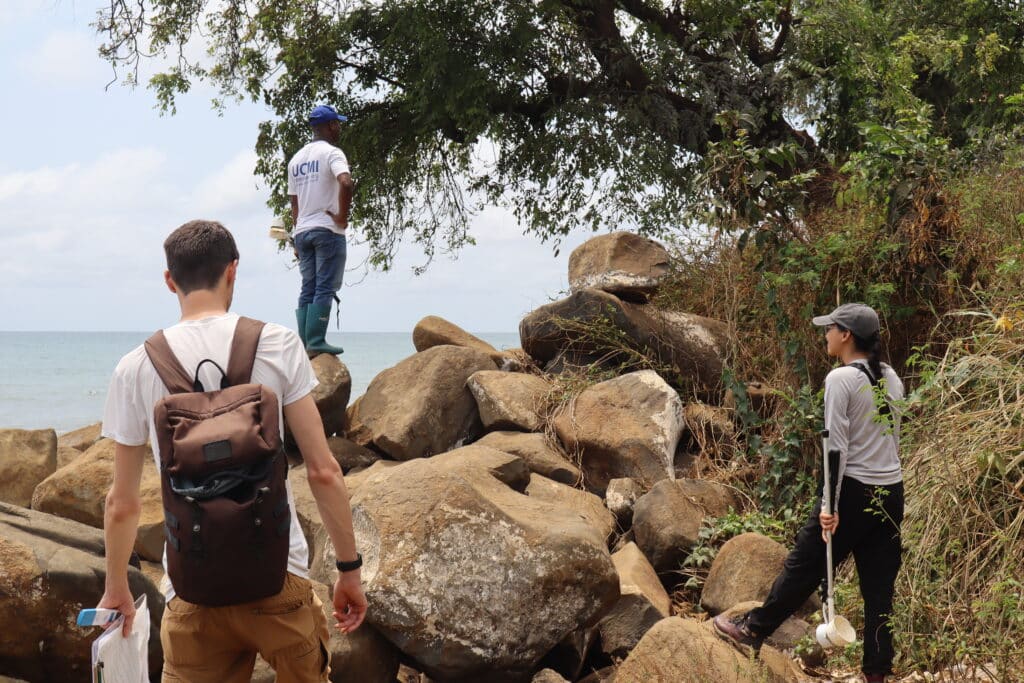 Field investigations are providing new insights into how São Tomé and Príncipe’s primary malaria vector adapts to different environments and could help strengthen our understanding of mosquito populations across the Gulf of Guinea.
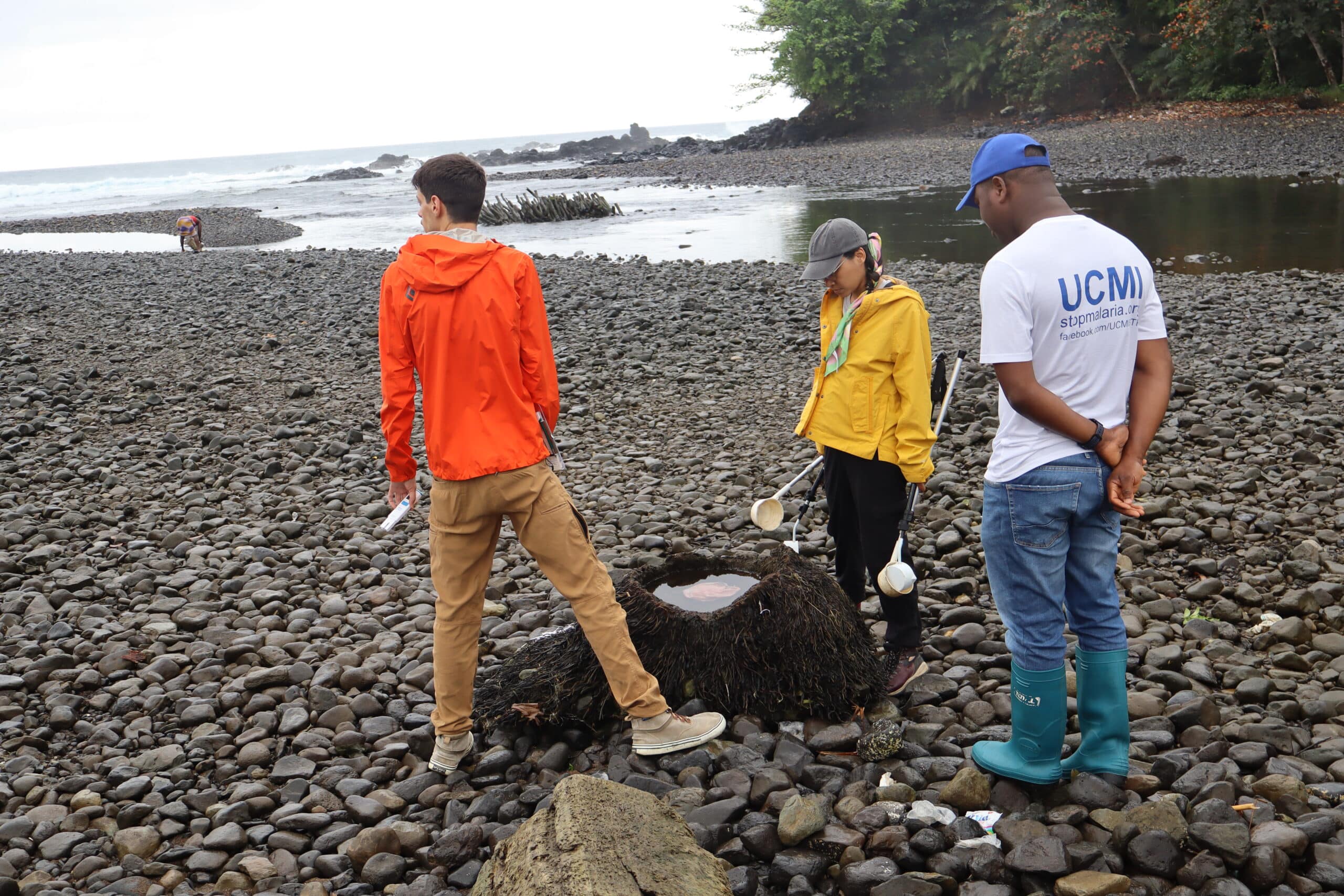
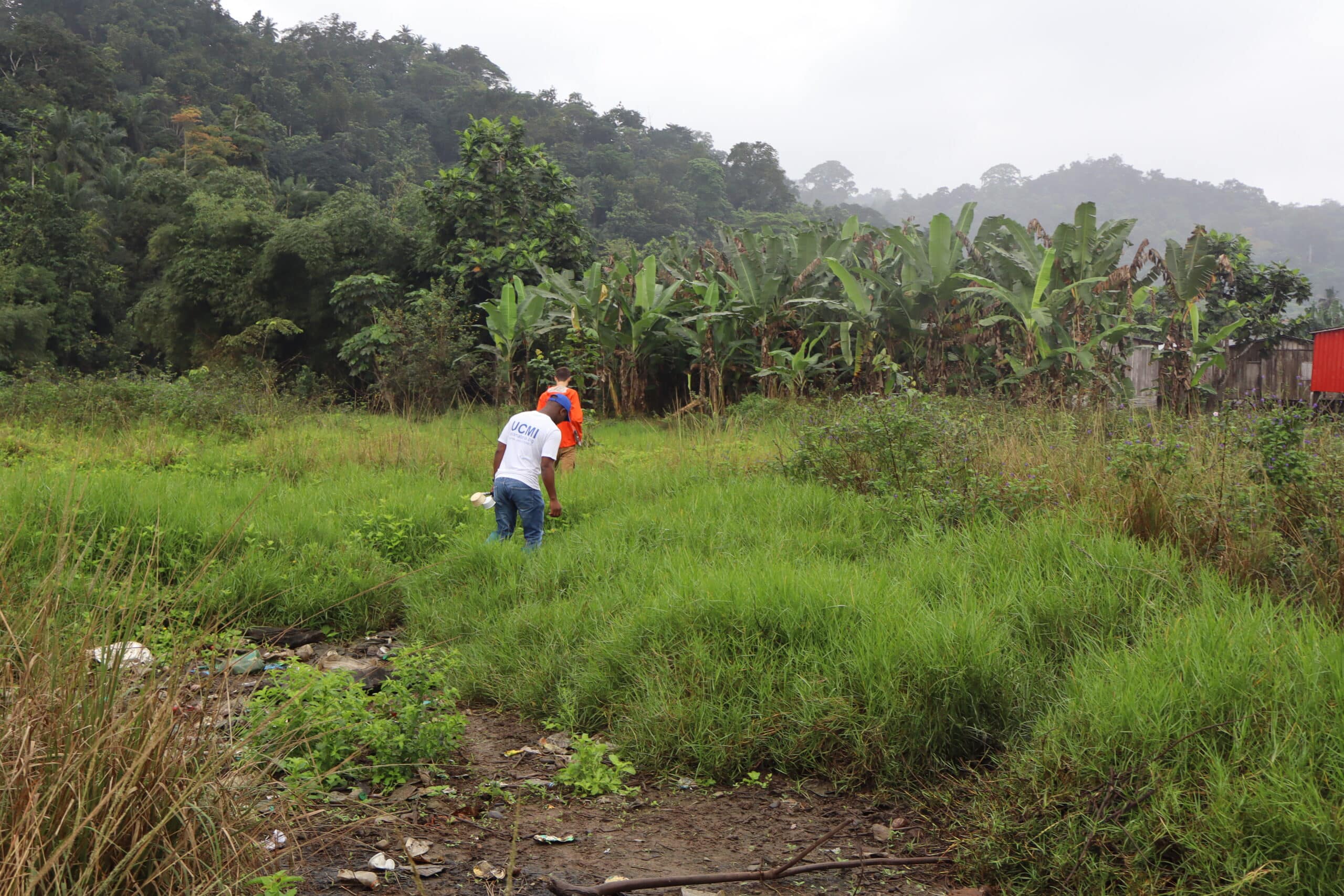
Scientists from the University of California Malaria Initiative (UCMI) recently traveled to São Tomé and Príncipe to advance two complementary areas of research. The first examines saline tolerance of Anopheles coluzzii larvae and the second is to continue to build a detailed genetic reference for Anopheles coluzzii populations found on islands in the Gulf of Guinea. Together, the studies could help researchers better understand how the mosquito populations adapt to their environments, differ genetically, and move between locations.
How Much Salt Can Anopheles coluzzii Tolerate?
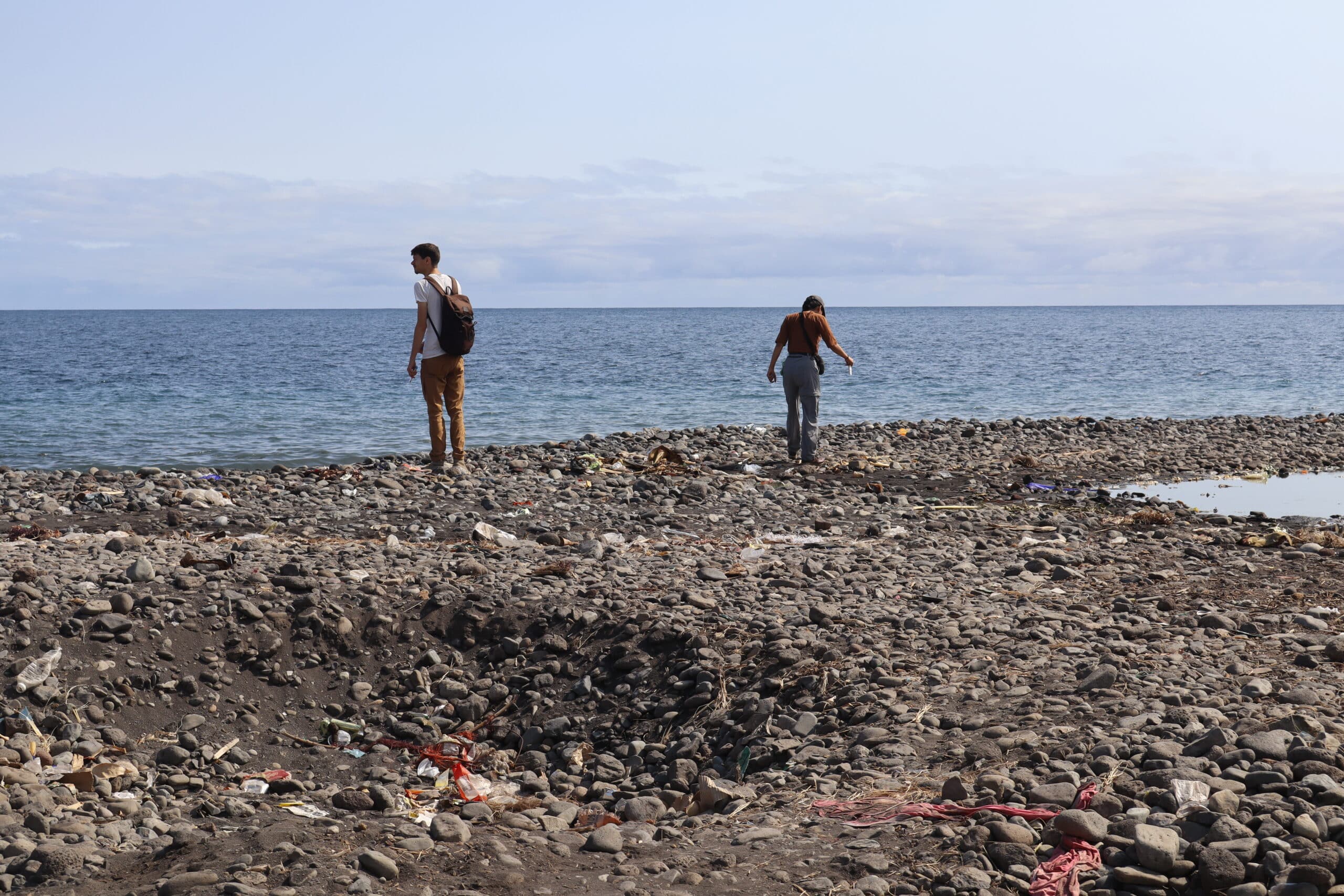
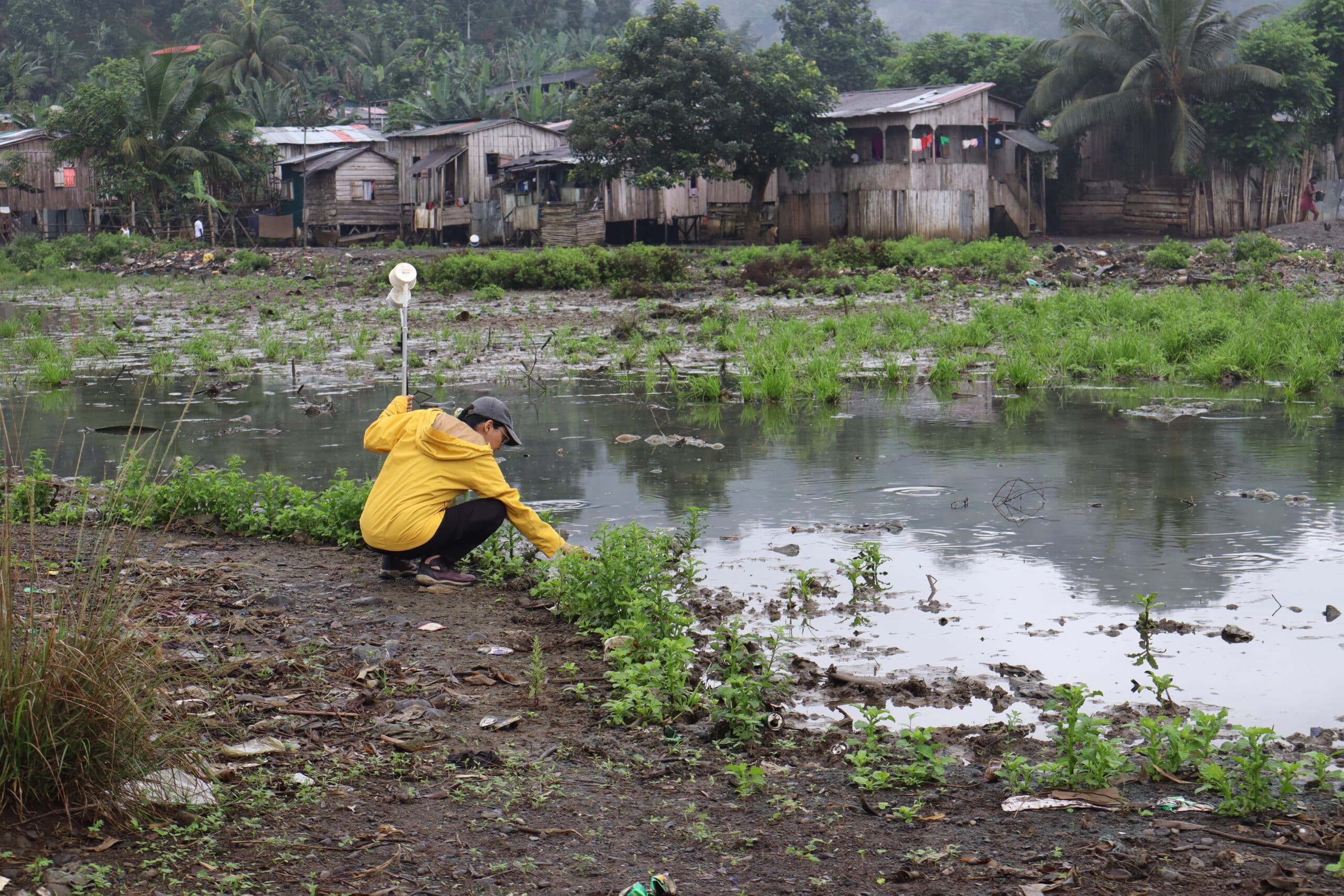
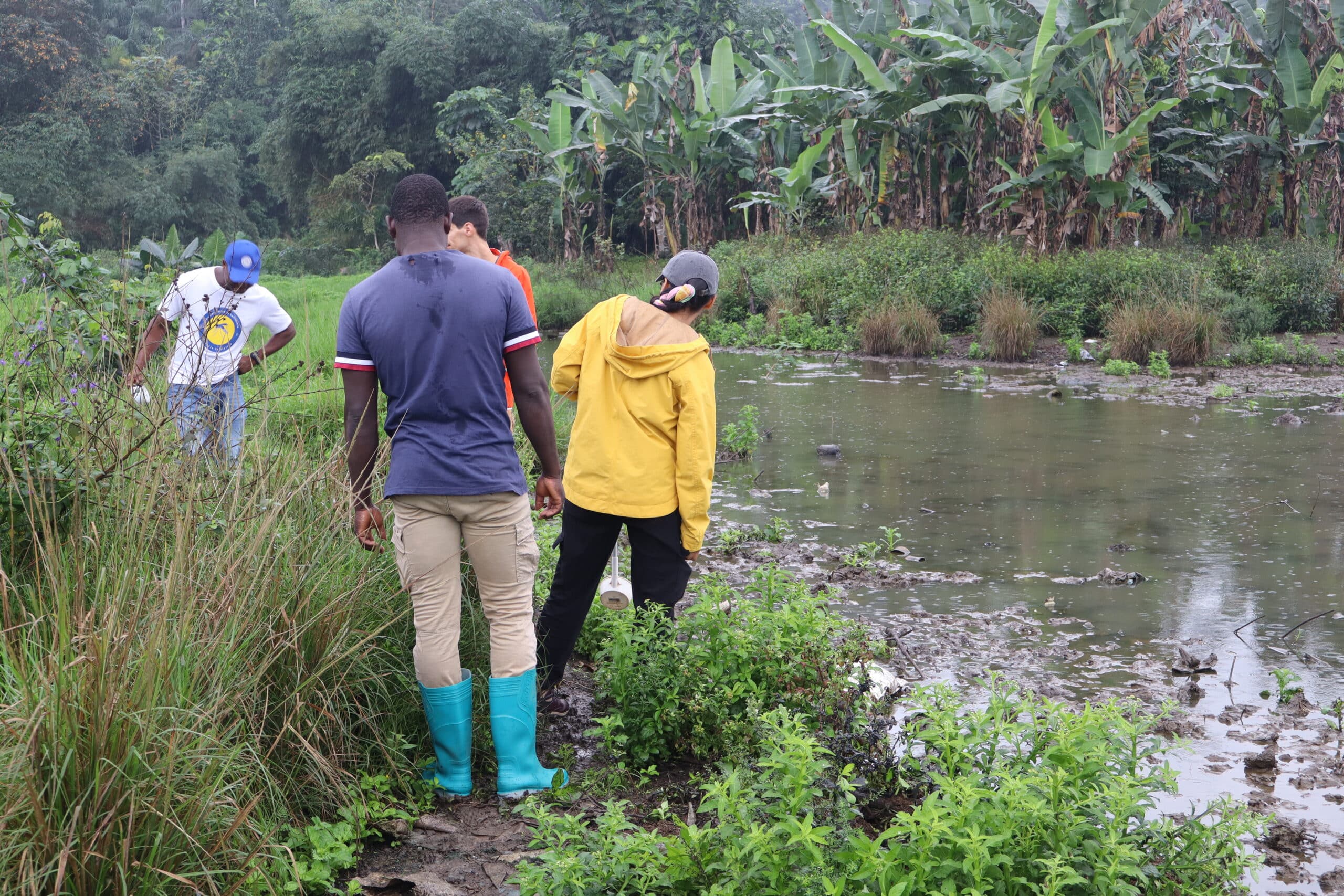
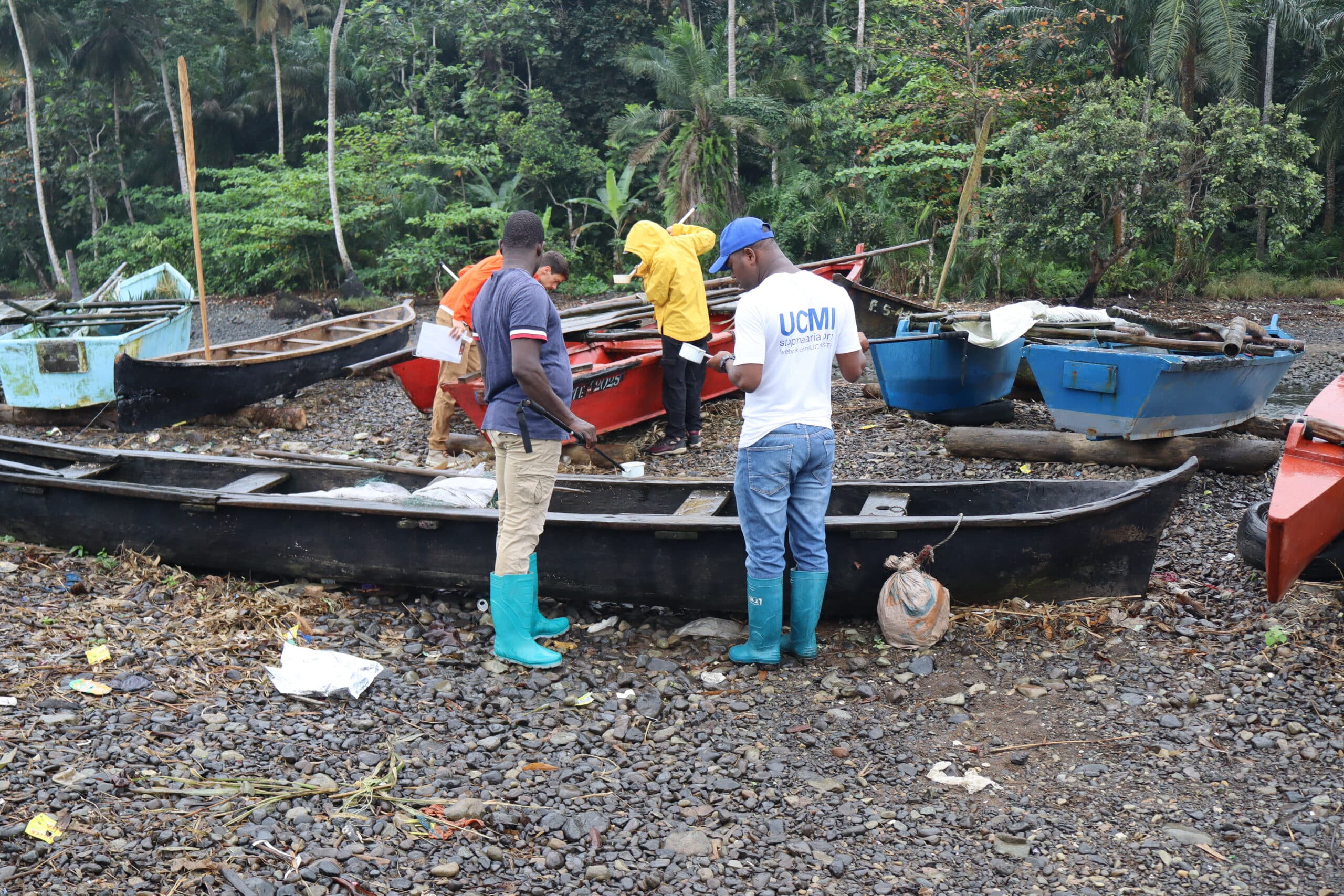
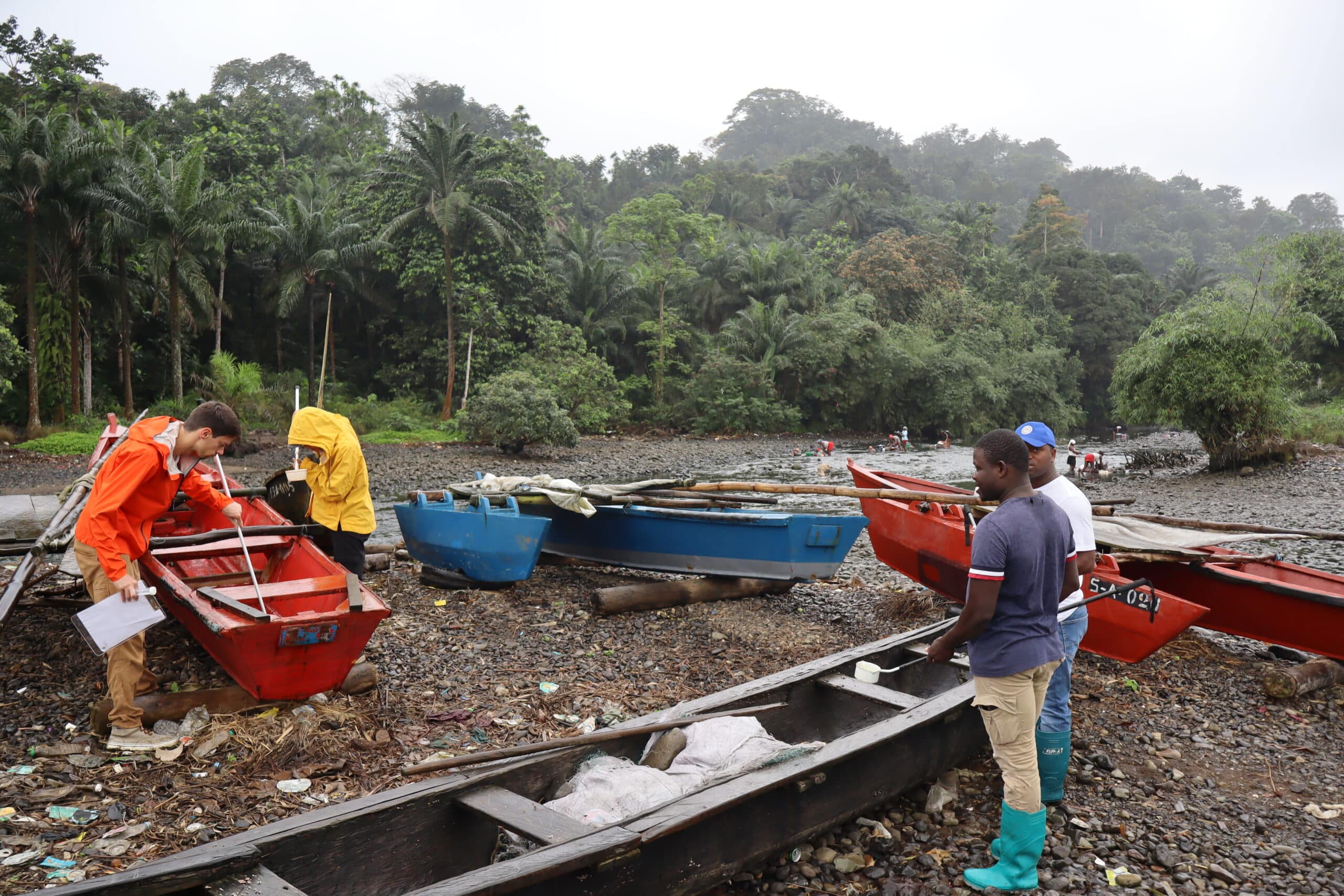
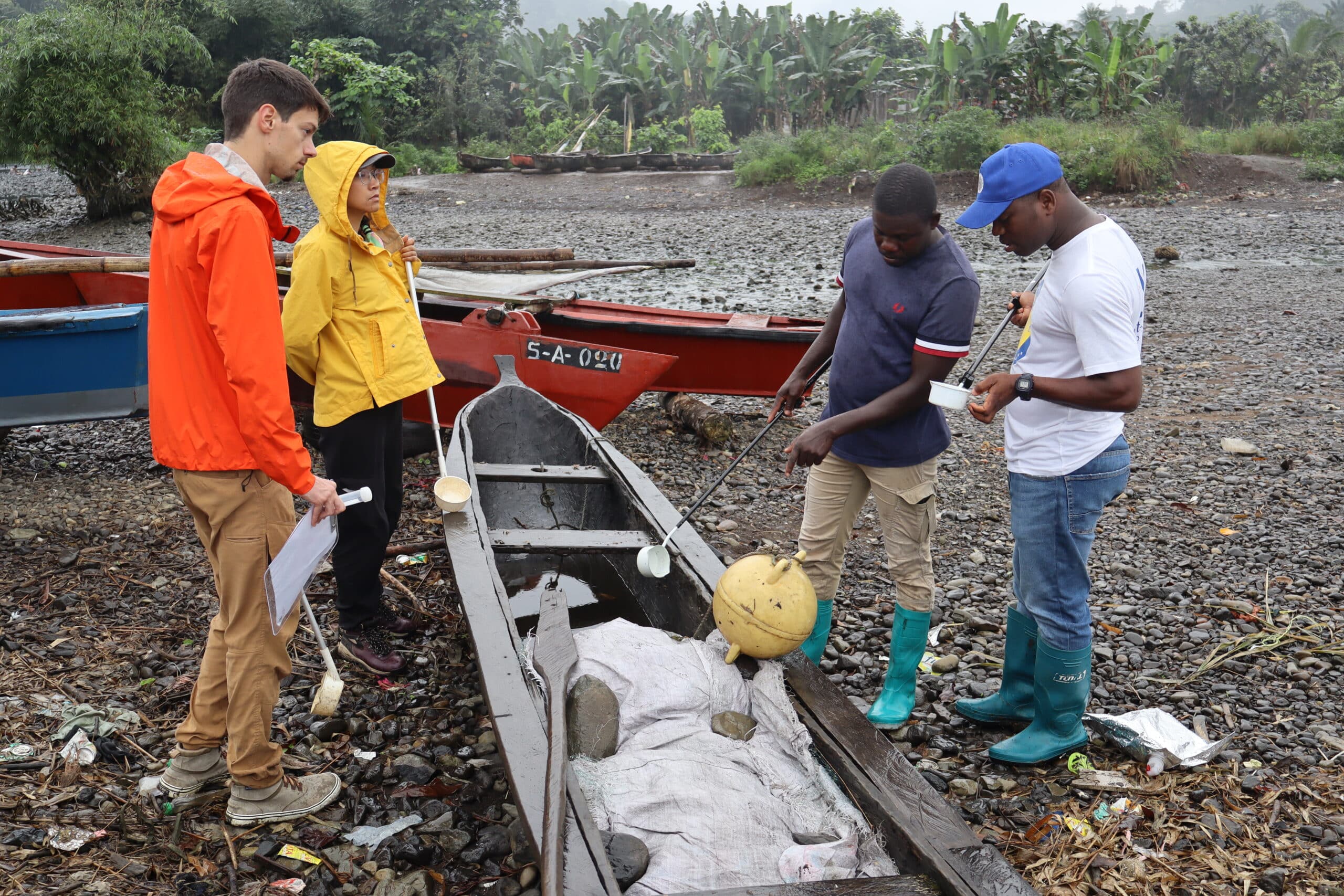
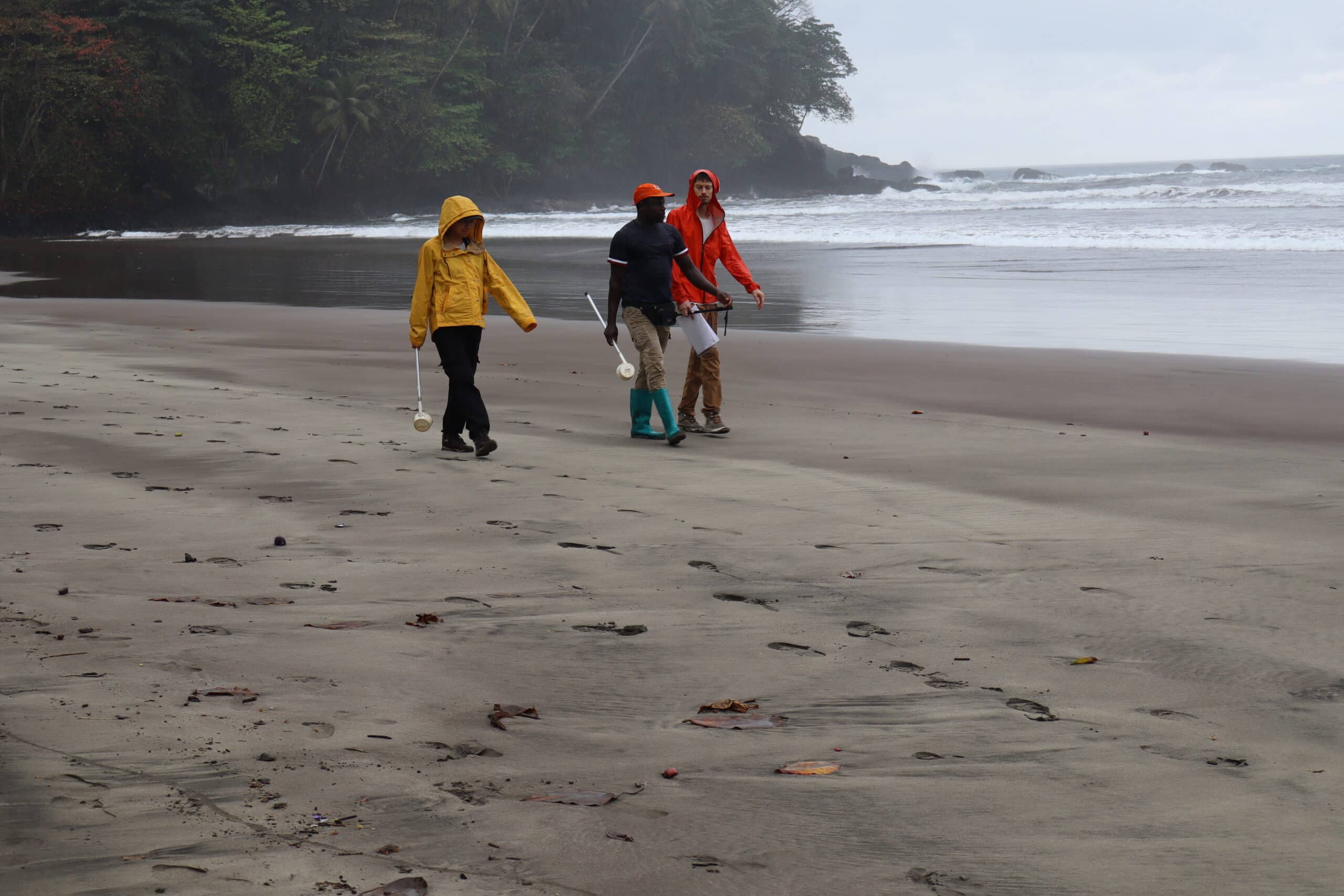
Fieldwork for the first study was conducted across São Tomé Island. Although larvae of some mosquito species can develop in salty water, Anopheles coluzzii larvae are generally associated with freshwater habitats and are not typically considered highly tolerant of salt.
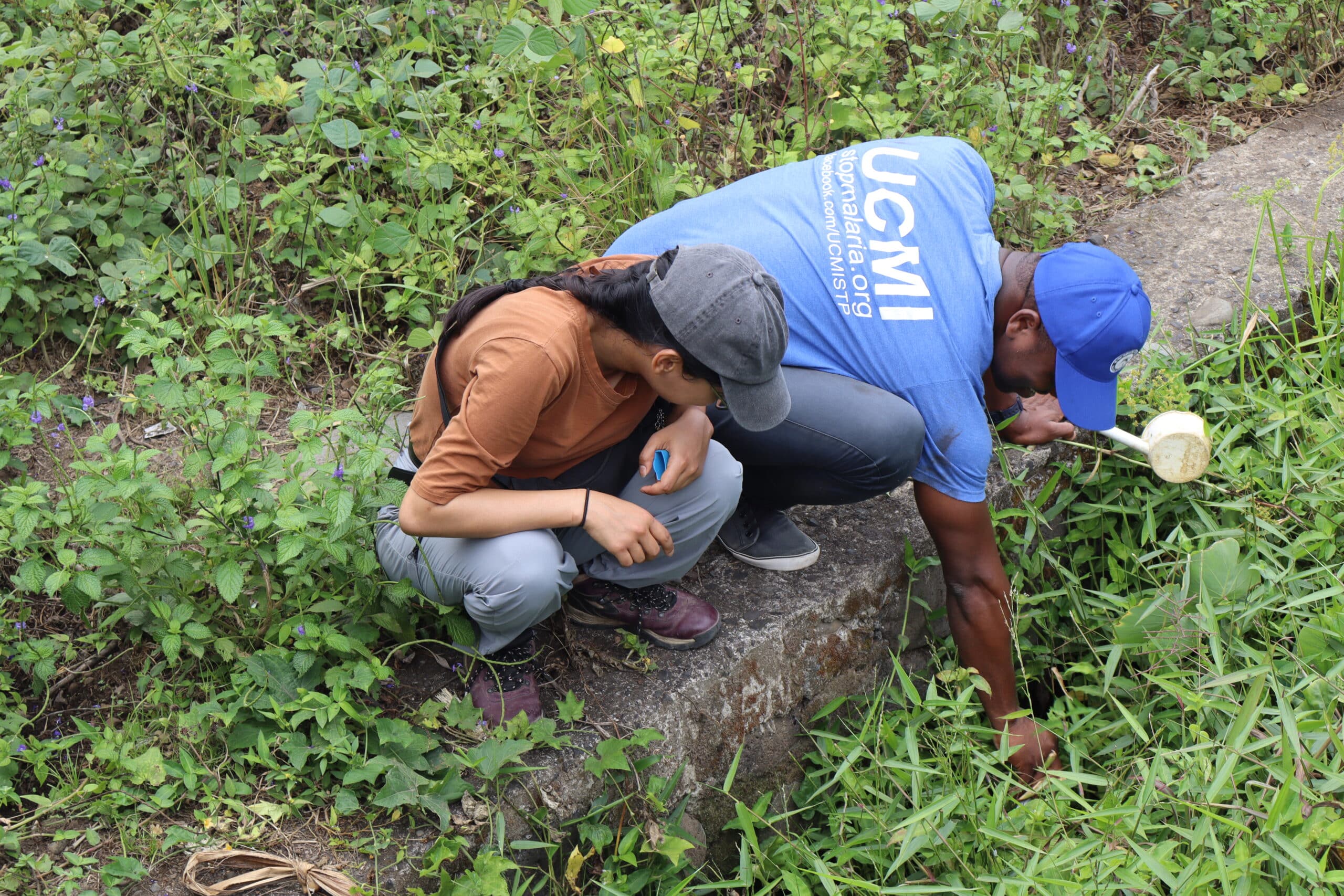
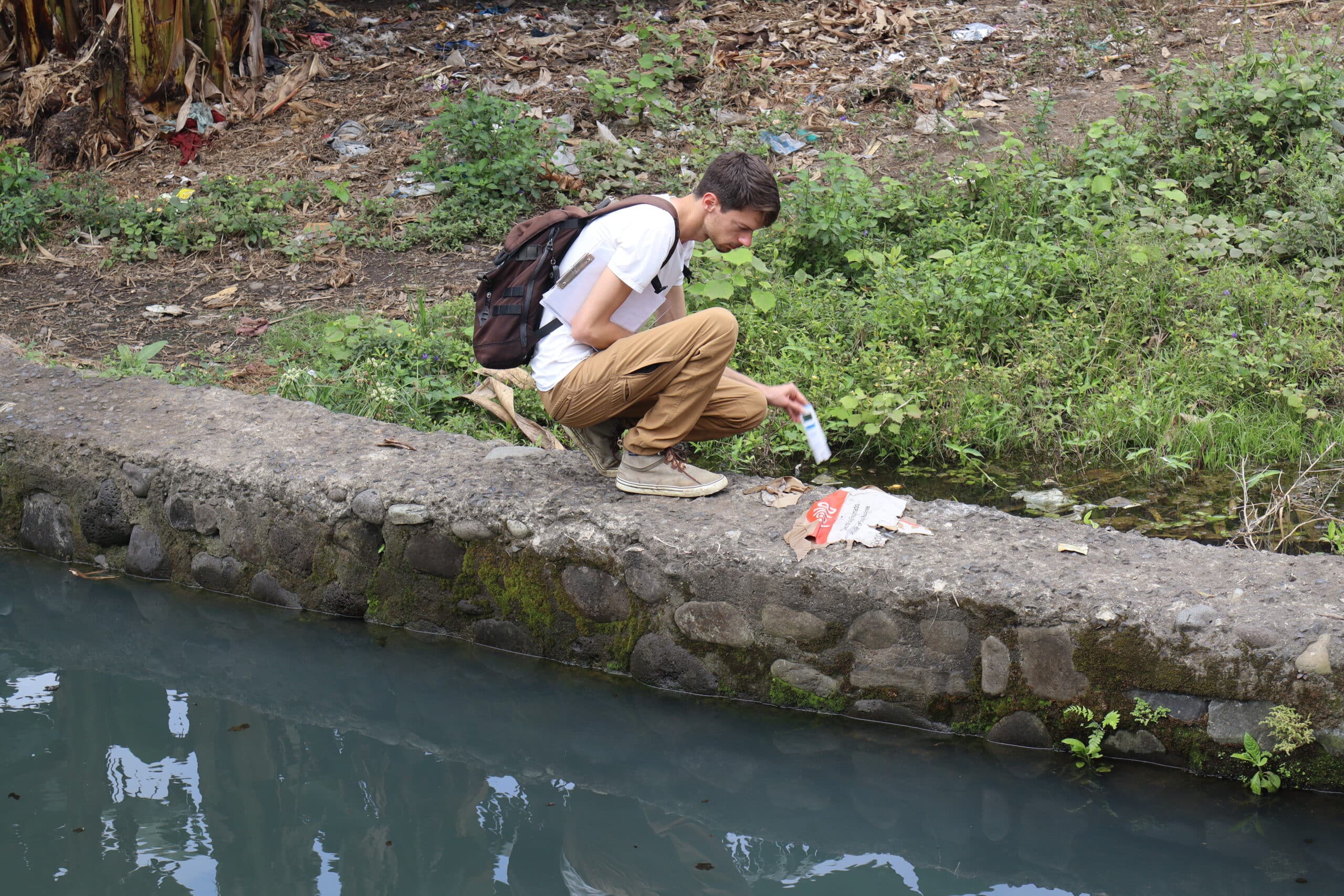
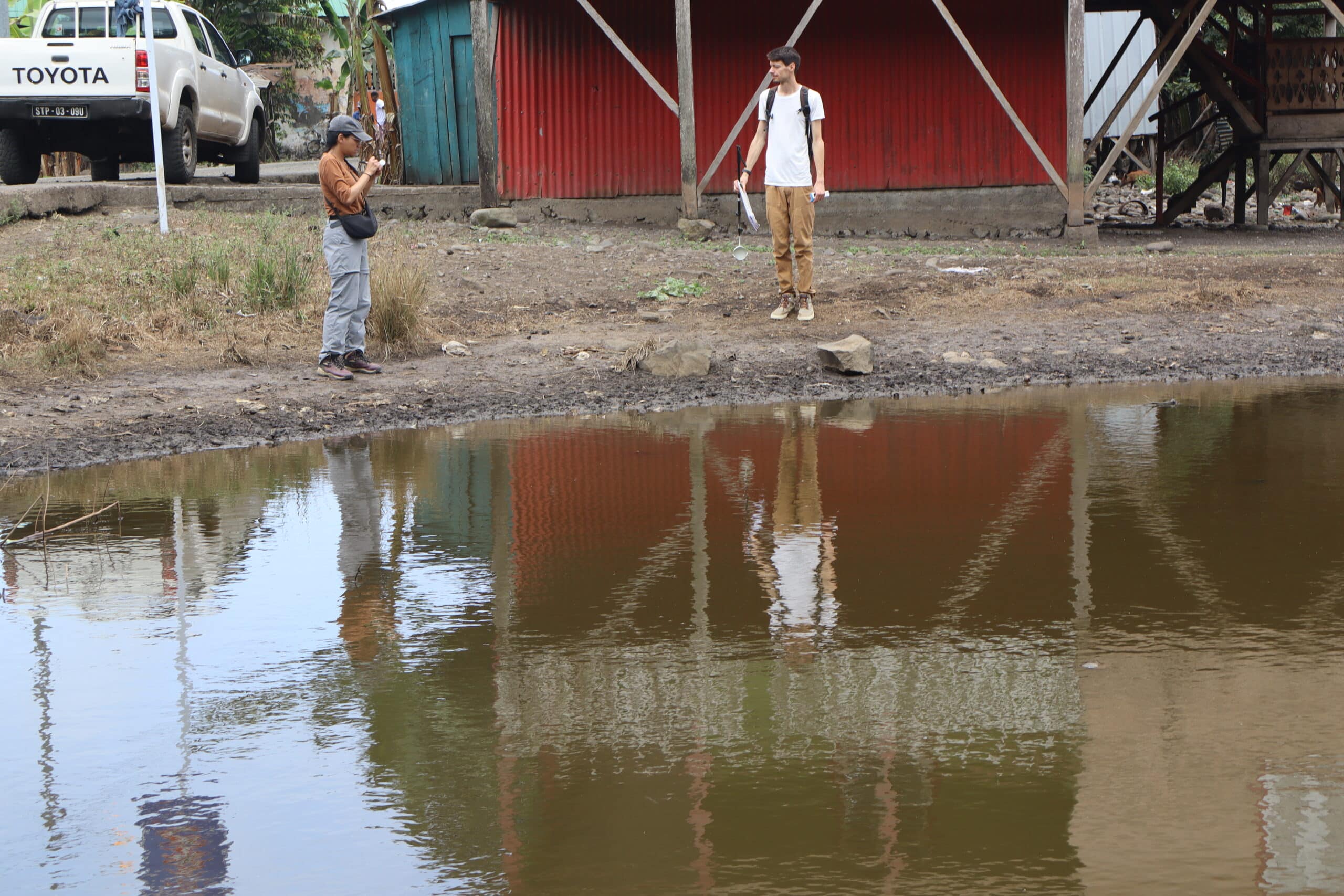
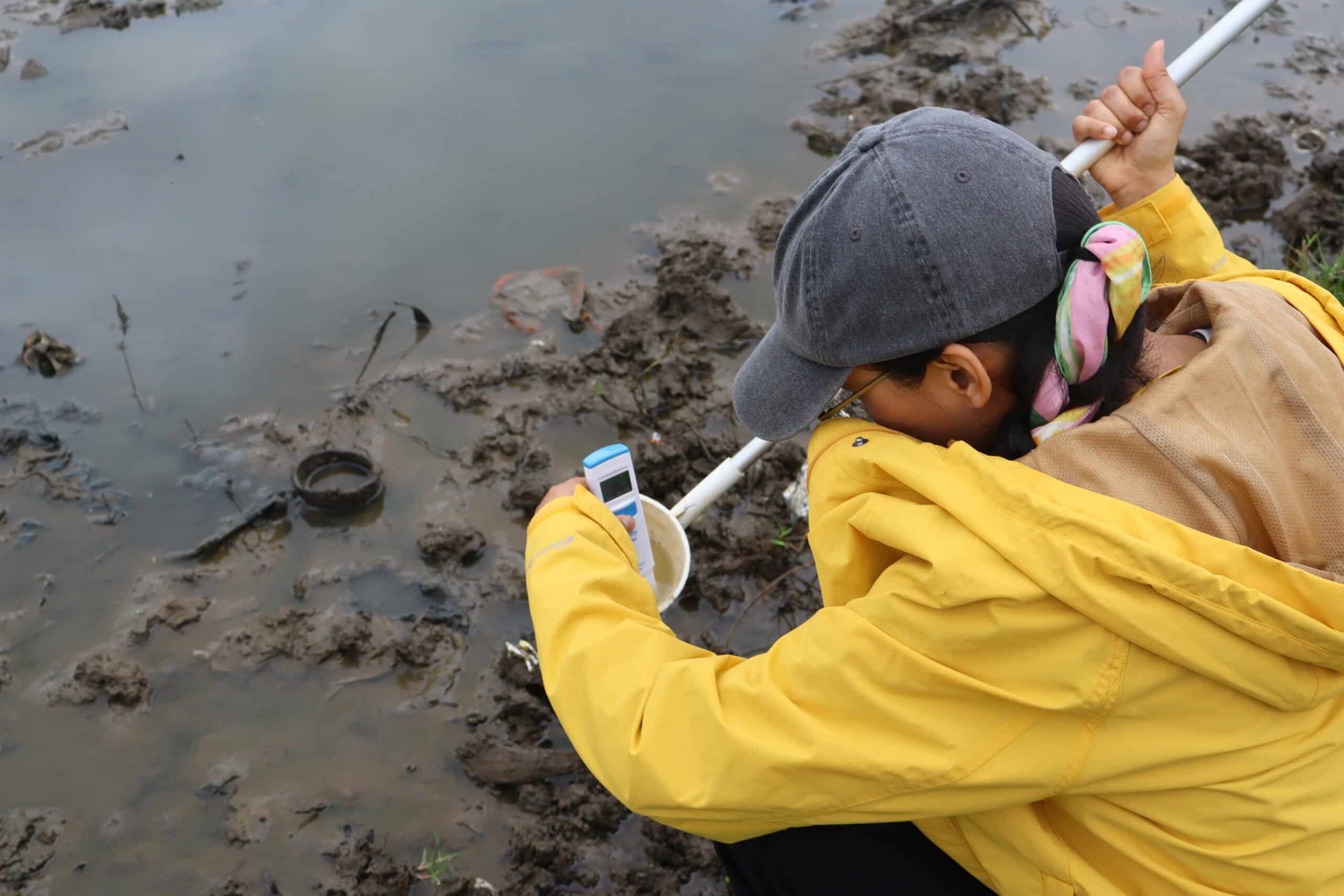
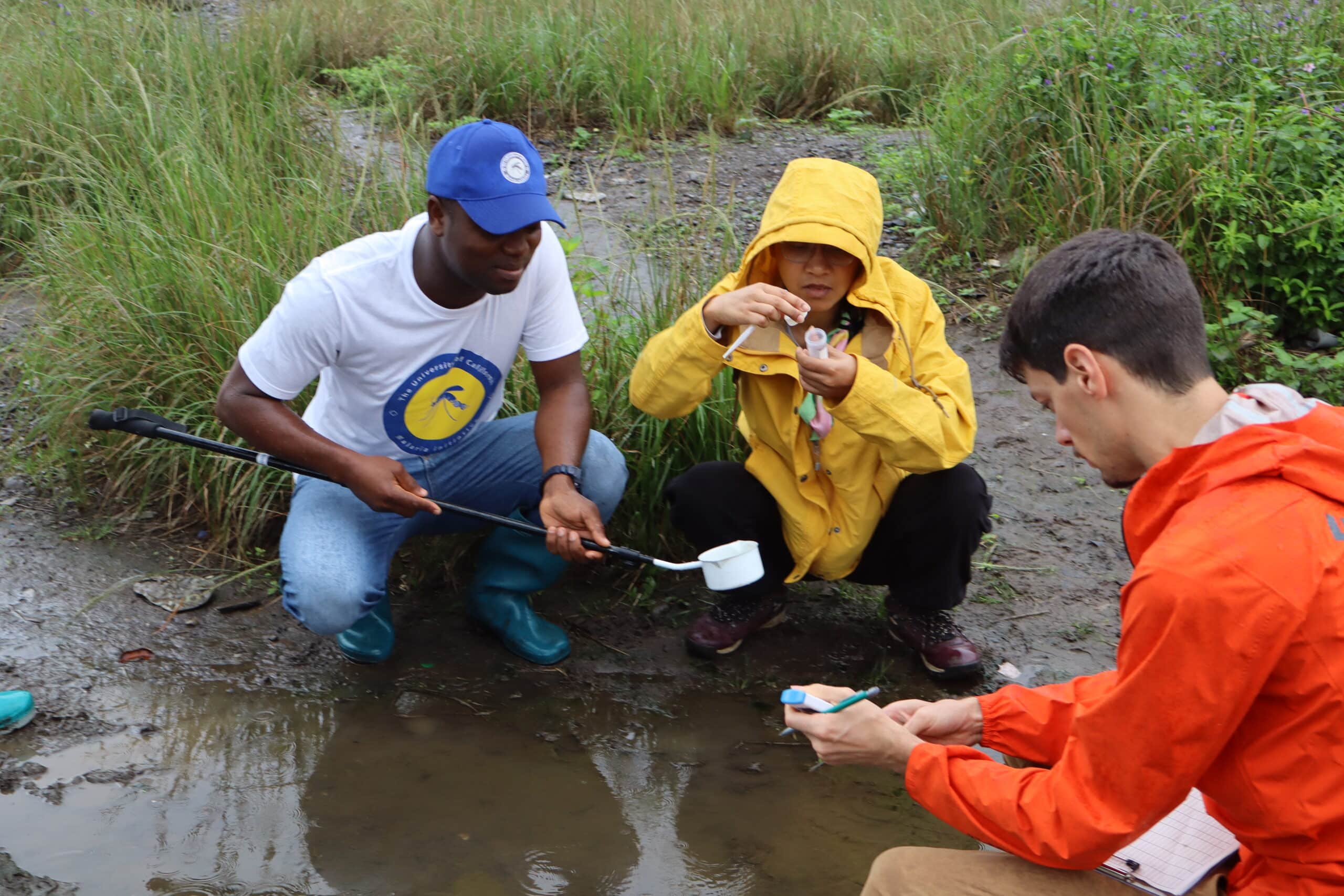
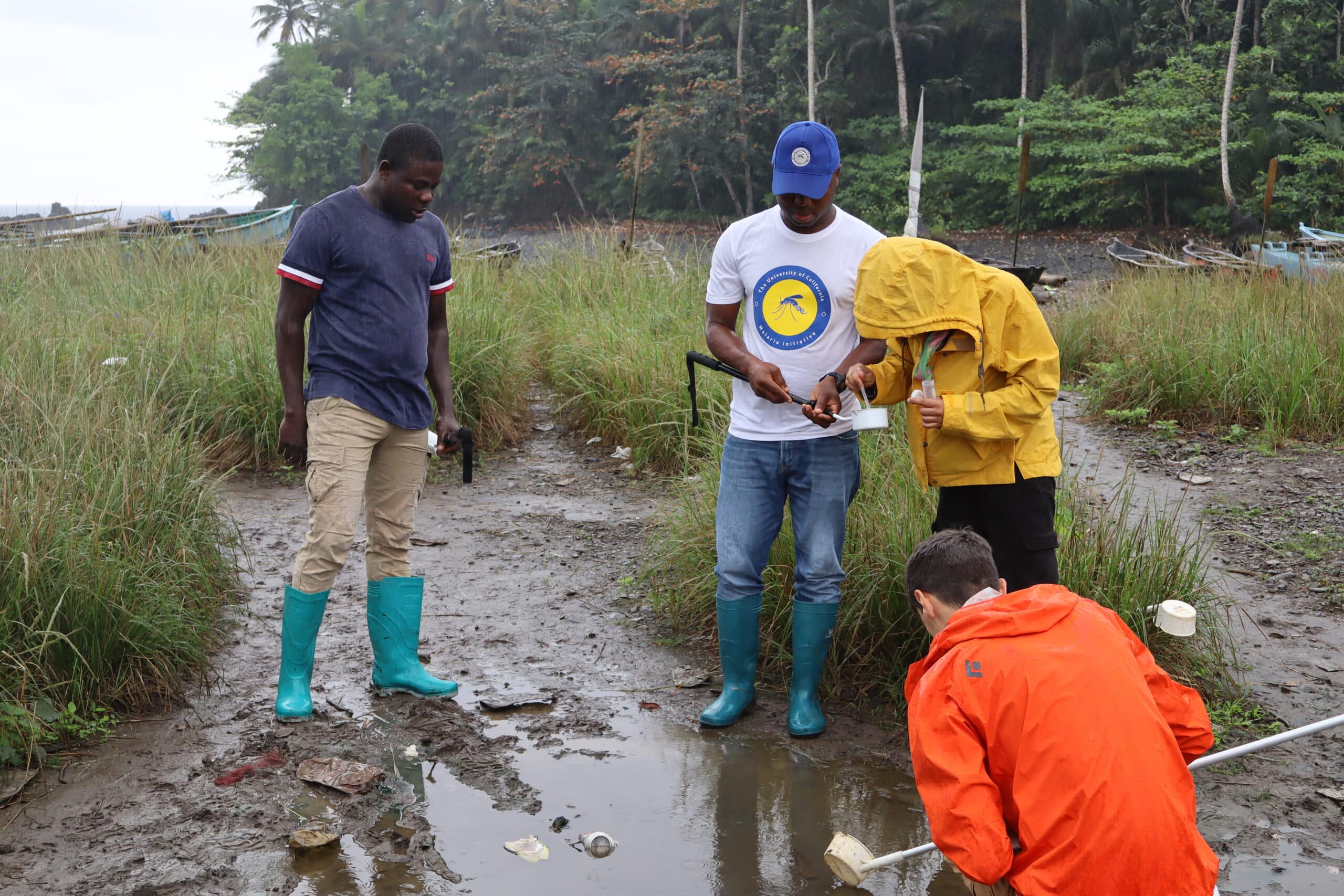
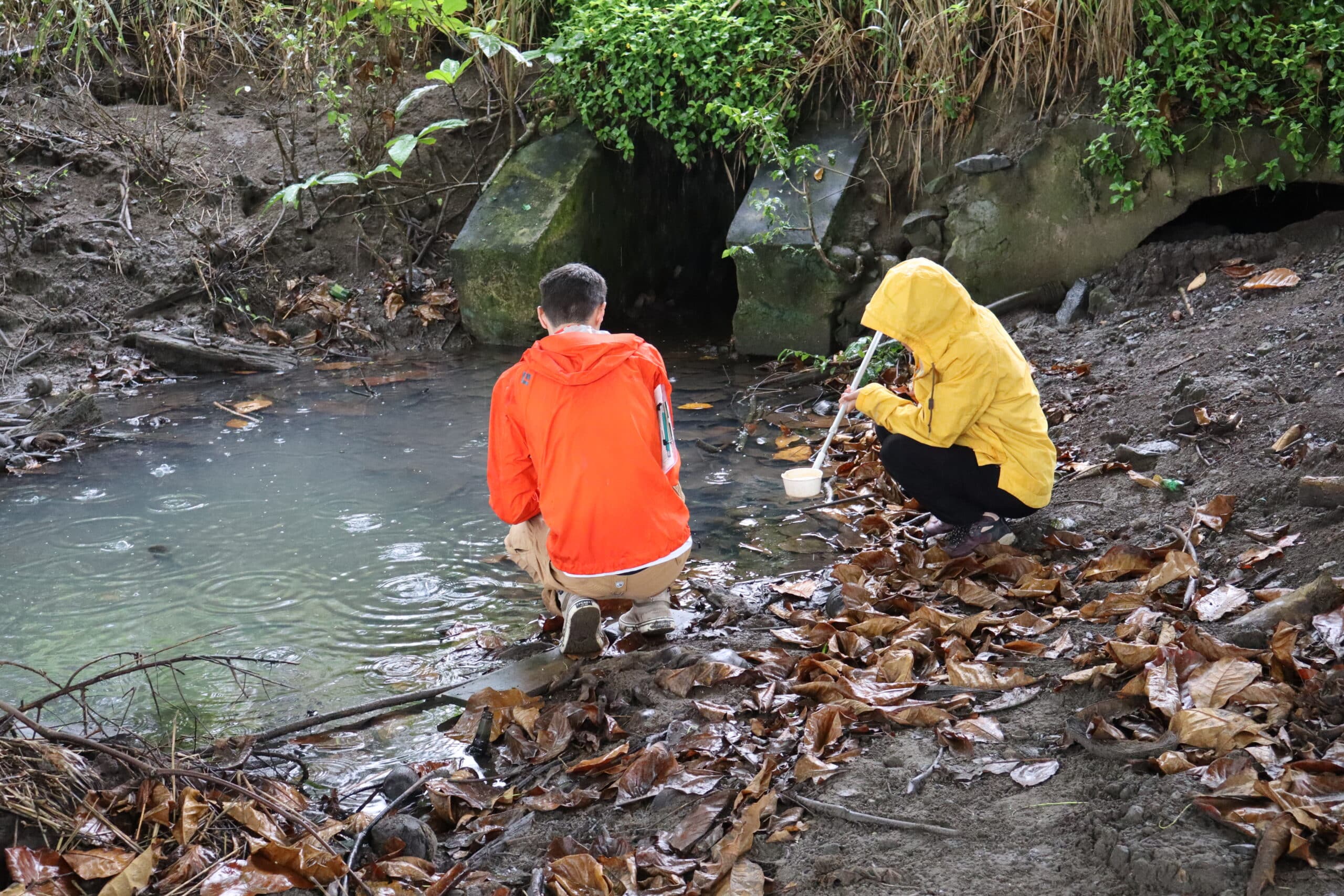
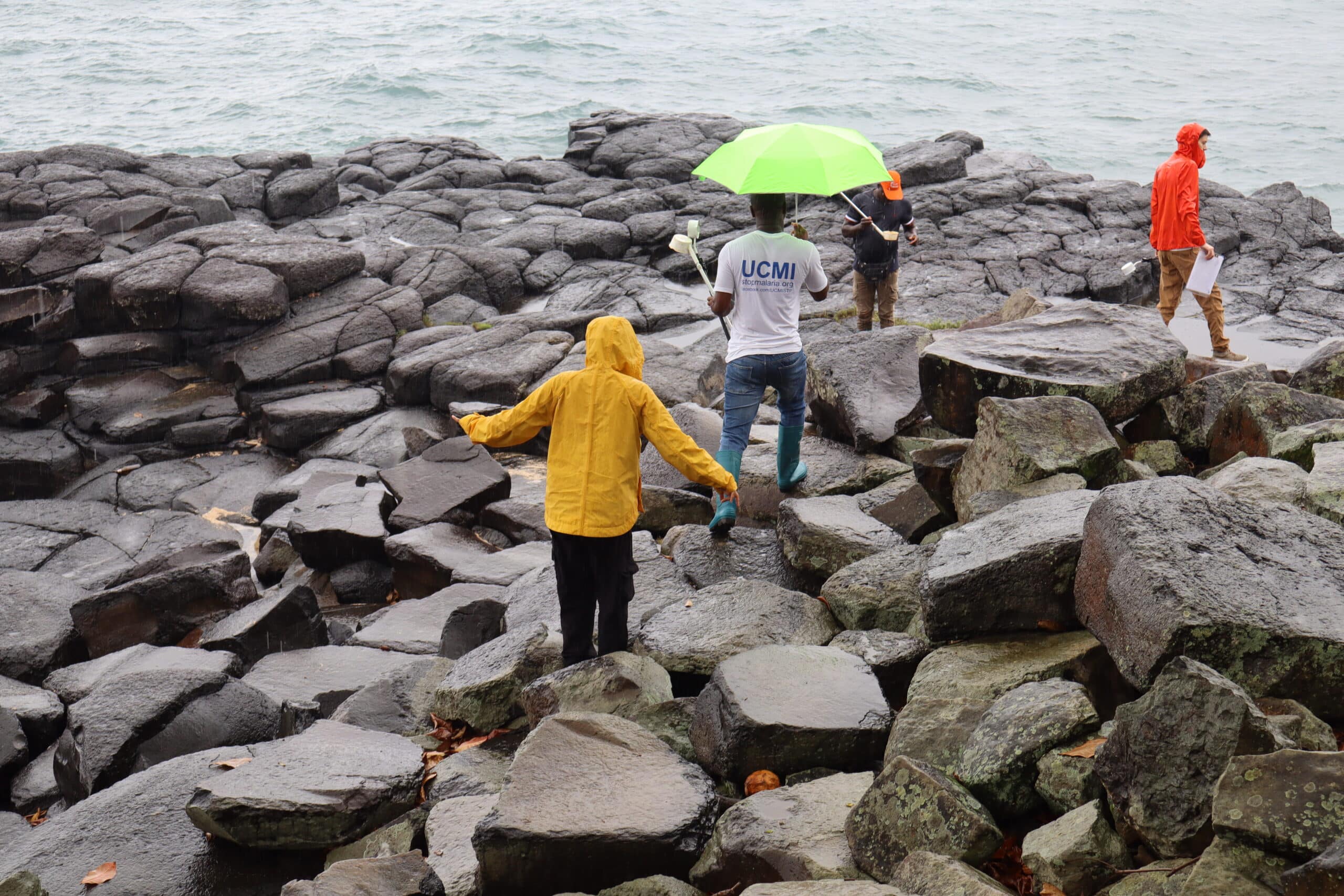
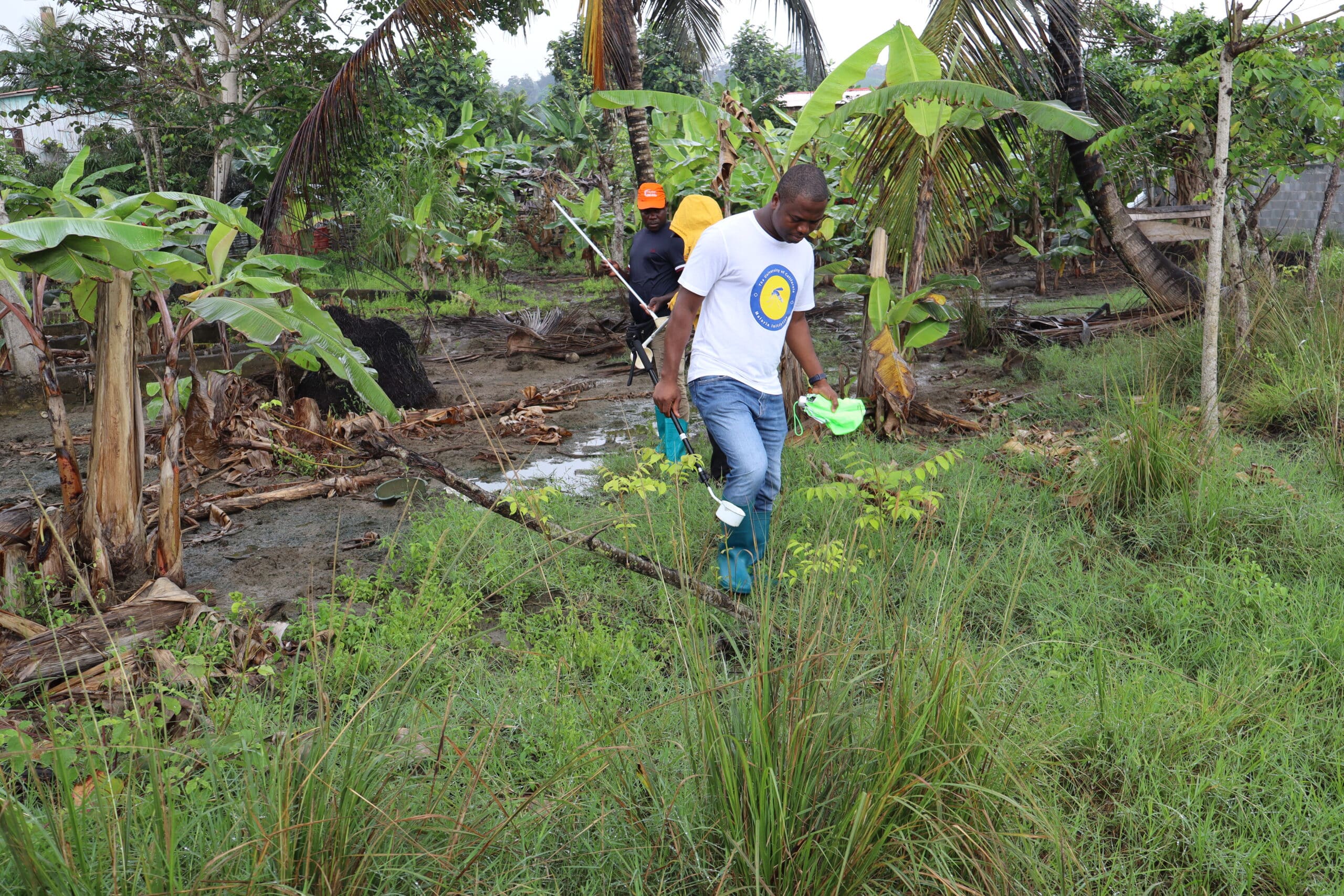
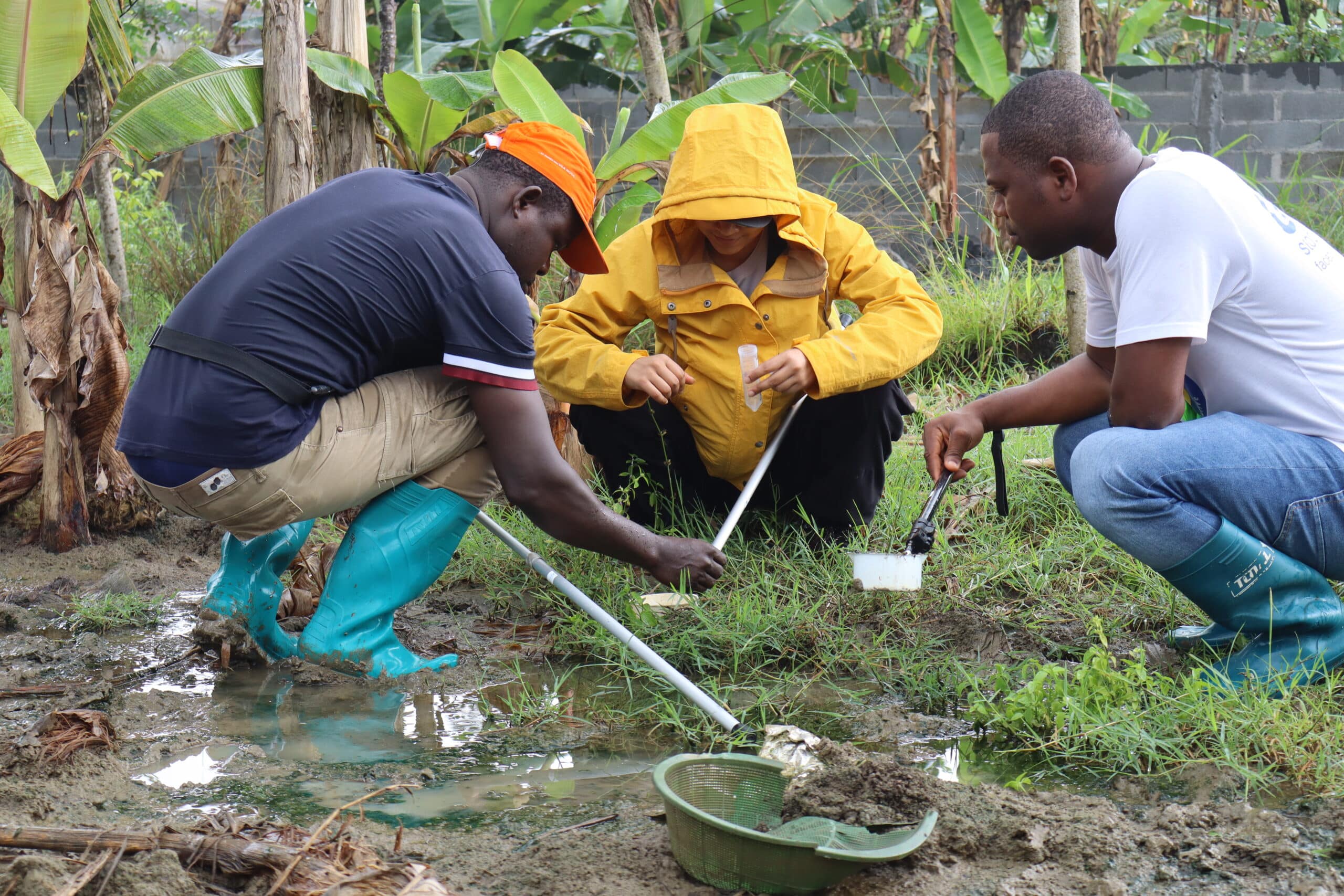
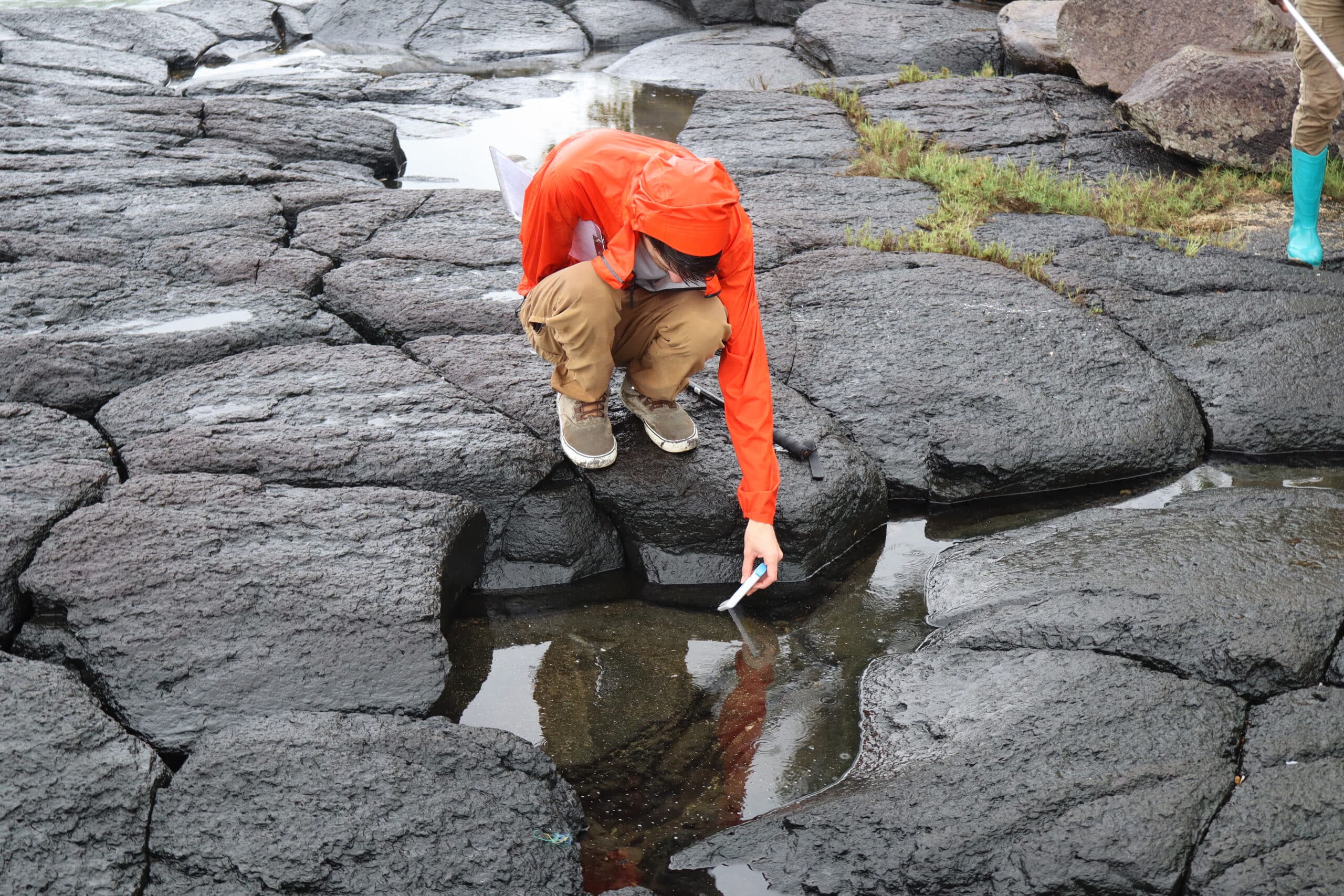
To investigate this further, the research team collected mosquito larvae from 23 sites across São Tomé, covering both freshwater and saline habitats. Researchers found Anopheles coluzzii larvae at sites with salinity levels of up to 9 parts per thousand, approximately one quarter of the saline concentration of seawater.
The research team conducted controlled laboratory experiments to better understand how the larvae respond to different levels of salinity, and assess gene expression when exposed to salt stress to learn more about how the mosquitoes are able to tolerate these conditions.
The findings could help researchers better understand how Anopheles coluzzii adapts to different environments. Understanding that flexibility is important because environmental conditions can influence where malaria-transmitting mosquitoes are able to survive and reproduce.
Building a Genetic Reference for Anopheles coluzzii
The second component of the field mission focused on collecting mosquitoes to contribute to the construction of a detailed reference genome for Anopheles coluzzii populations in the Gulf of Guinea.
A reference genome is essentially a detailed genetic map that researchers can use as a baseline when comparing Anopheles coluzzii populations from locations throughout the Gulf of Guinea islands.
Adult mosquitoes were collected at two sites on São Tomé and three sites on Príncipe and carefully preserved so researchers could obtain high-quality DNA for sequencing.
The samples will undergo a type of DNA sequencing that can read long stretches of genetic material, helping researchers assemble a more complete and detailed picture of the mosquito’s genome.
Once developed, the reference genome will allow researchers to compare mosquito populations from different locations and investigate questions such as how genetically diverse they are, how populations are related, how they may be adapting to different environments and how they may be moving between islands.