Malaria is a disease caused by protozoan parasites called Plasmodium, which are transmitted from person to person by the bite of an infected female Anopheles mosquito.
UCMI Research
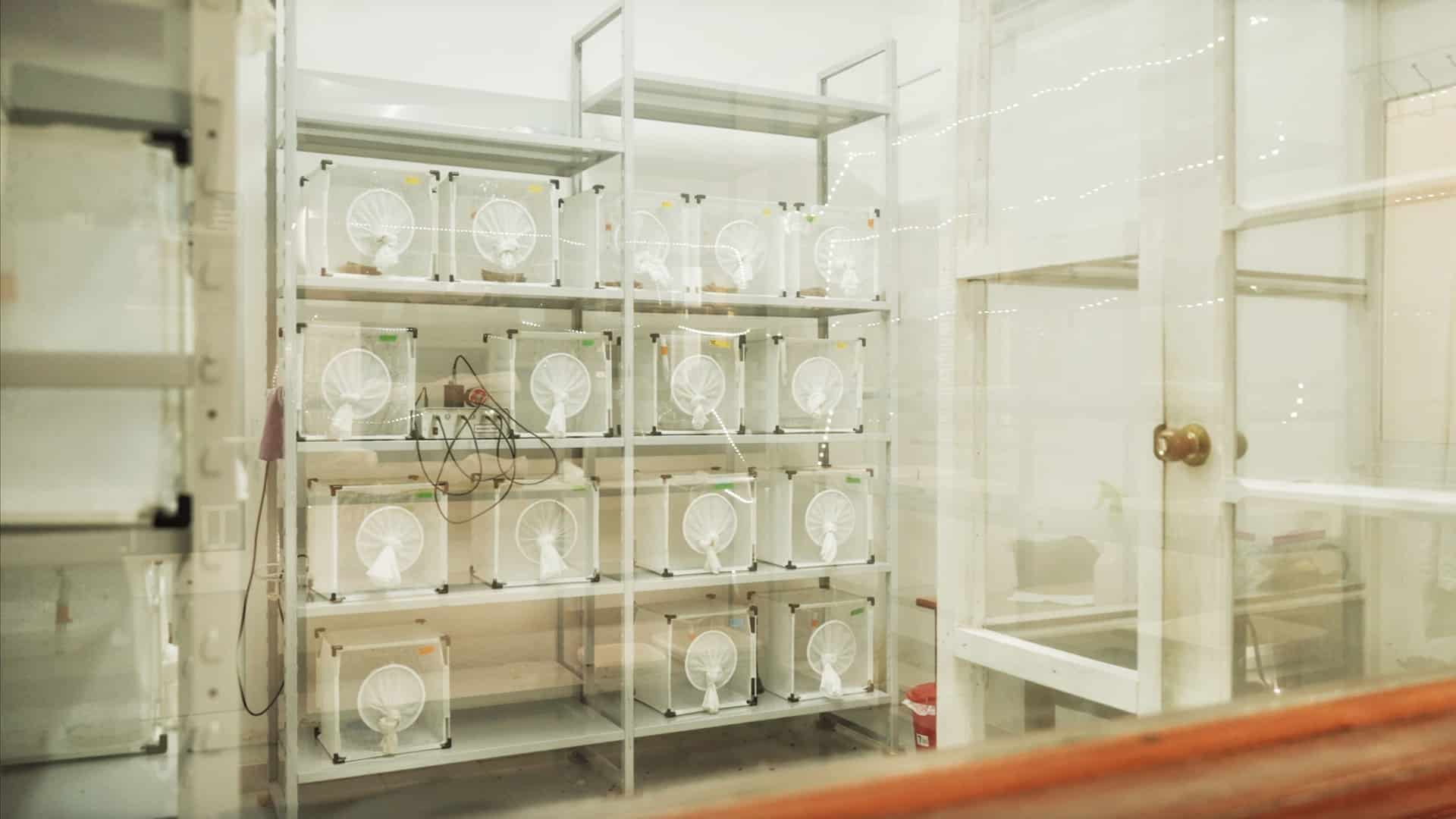
UCMI is contributing to the goal of malaria eradication by using genetic technologies to modify target mosquito populations as a cost effective, sustainable, and environmentally responsible tool to prevent malaria transmission.
Where We Work
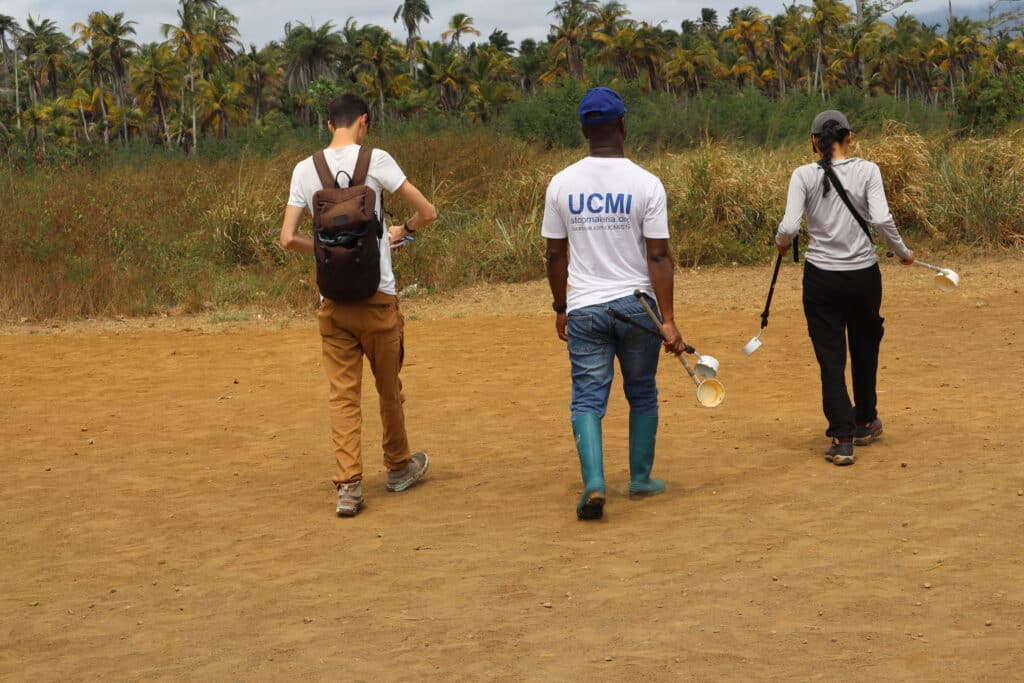
Our work is currently being developed in partnership with the Republic of São Tomé and Príncipe and Equatorial Guinea.
The University of California Malaria Initiative
Who We Are
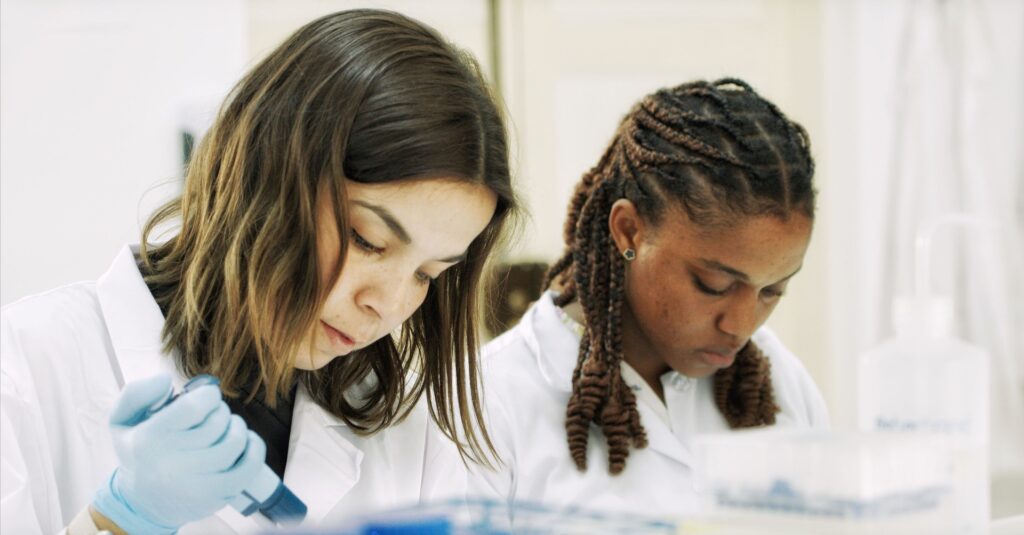
UCMI is a collaborative initiative comprising researchers from four University of California campuses (Irvine, Davis, San Diego, Berkeley), Johns Hopkins University, and Cornell University, who are dedicated to the elimination of malaria.
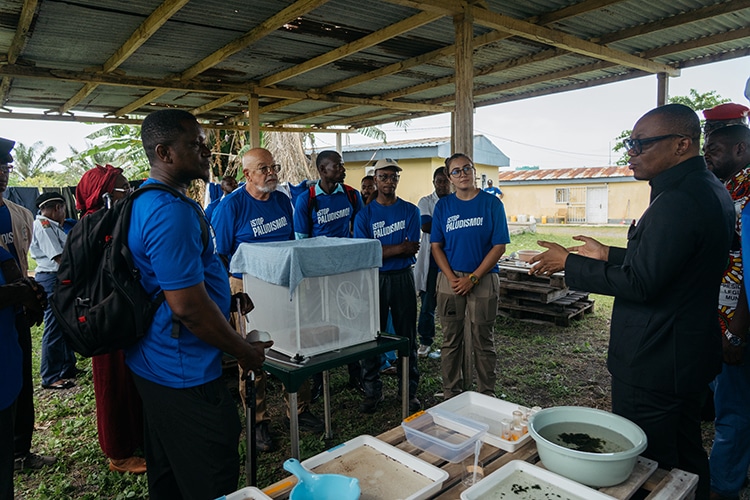
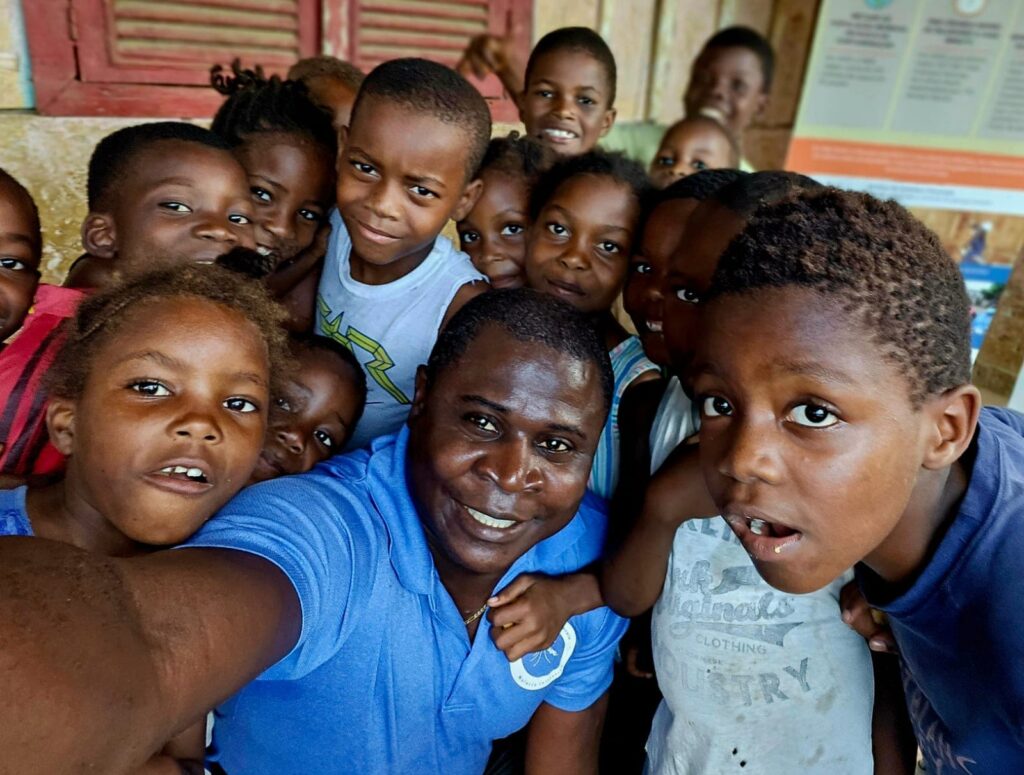
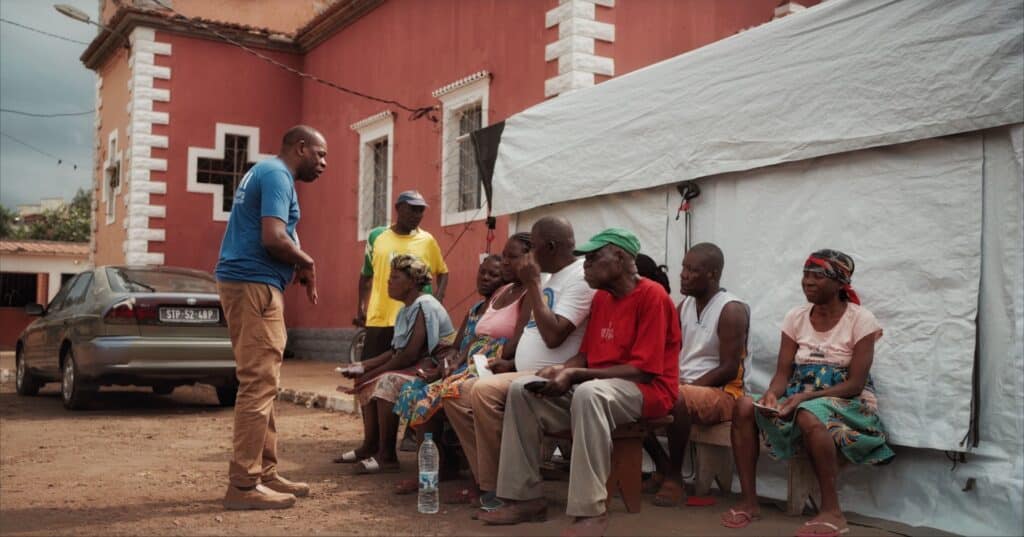
UCMI researchers work to eliminate human malaria by modifying mosquito populations to prevent malaria transmission. We work in partnership with local scientists, public health leaders, government officials, and communities with a focus on transparency and ethical conduct.
UCMI is working to eliminate malaria using genetic technologies to modify target mosquito populations to prevent malaria transmission. This is called “population modification” (also known as population replacement). It eliminates the ability of the mosquito to transmit malaria; it does not eliminate the mosquitoes.
We want to contribute to the eradication of human malaria by modifying mosquito populations to prevent malaria transmission in direct partnership and collaboration with local scientists, public health officials, government officials, and communities in an ethical and transparent manner.
We are committed to:
Sharing trusted malaria prevention resources
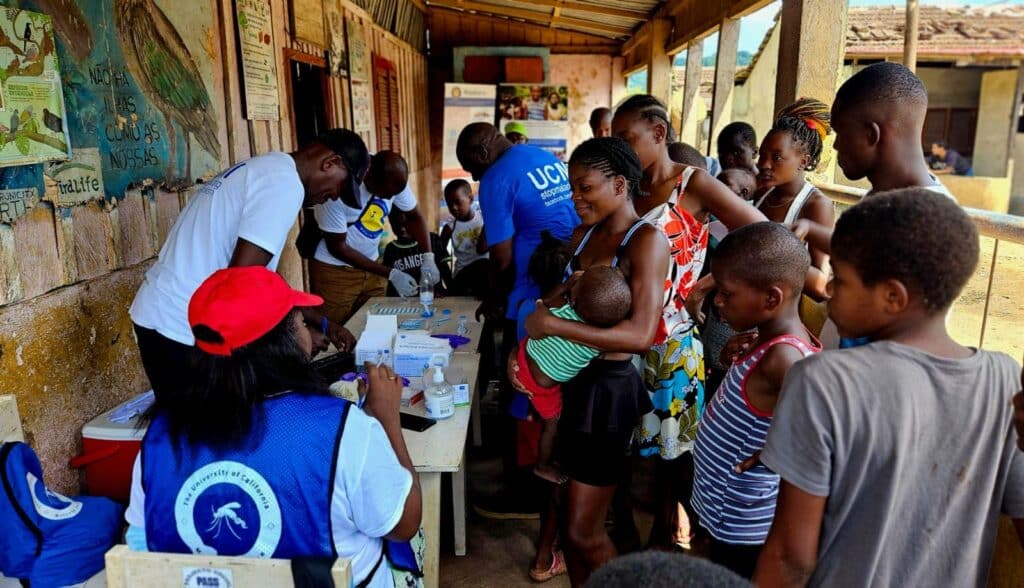
Supporting local health workers and field programs
Get in touch to learn more or connect with our team.
The University of California Malaria Initiative
Our Mission
We want to contribute to the eradication of human malaria by modifying mosquito populations to prevent malaria transmission in direct partnership and collaboration with local scientists, public health officials, government officials, and communities in an ethical and transparent manner.
We are committed to:
Sharing trusted malaria prevention resources
Supporting local health workers and field programs