
Malaria is a disease caused by a protozoan parasite called Plasmodium which is transmitted from person to person by the bite of an infected female Anopheles mosquito.
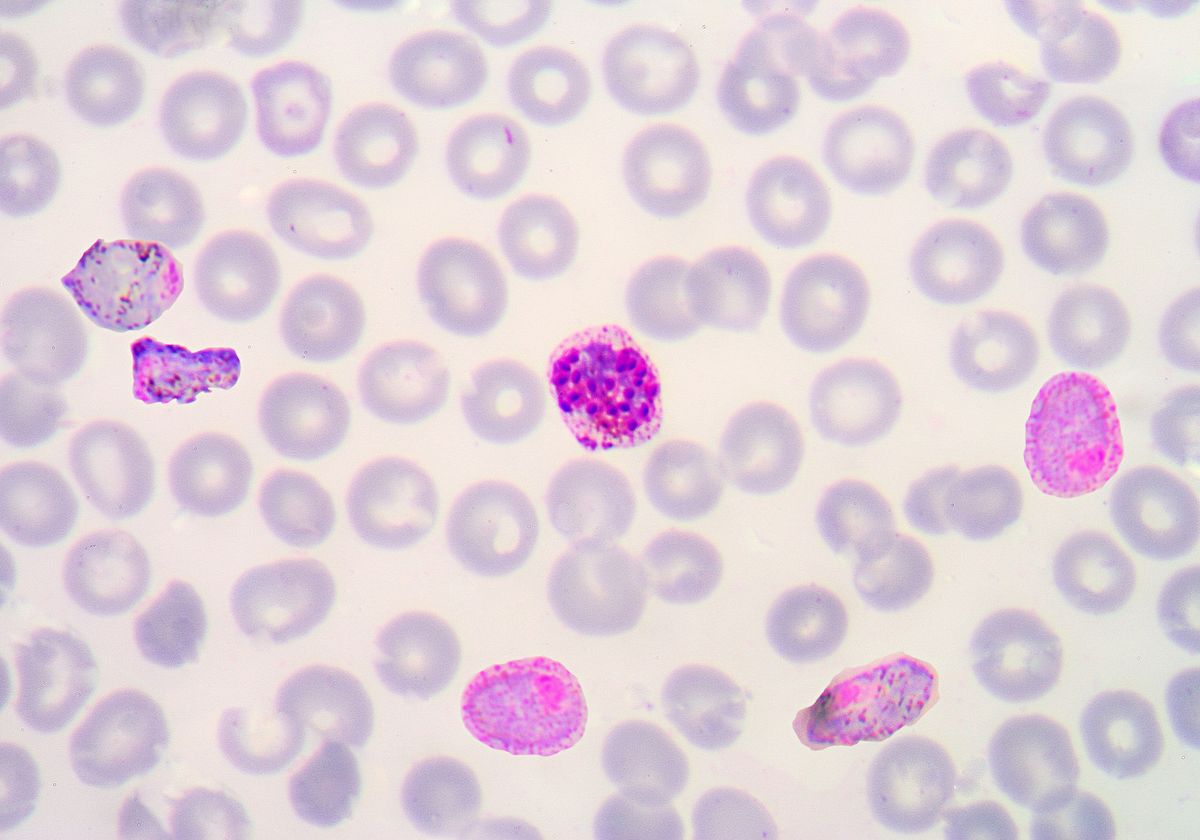
There are more than 100 species of malaria parasites. The deadliest and most common in Africa is Plasmodium falciparum. After the parasite enters the human body by the bite of a mosquito, it infects the liver where it can give rise to as many as 10,000 progeny. Two weeks after entering the body, the parasite moves into the blood stream where it infects red blood cells. From here it can infect mosquitoes that feed on the blood of the infected person.
Inside the mosquito, P. falciparum will infect the gut and form a cyst. Each cyst will form thousands of sporozoites that migrate to the salivary gland where they can infect another human when the mosquito feeds a second time. Our modified mosquito has been designed to be resistant to P. falciparum by blocking both development in the gut, and migration to the salivary gland.
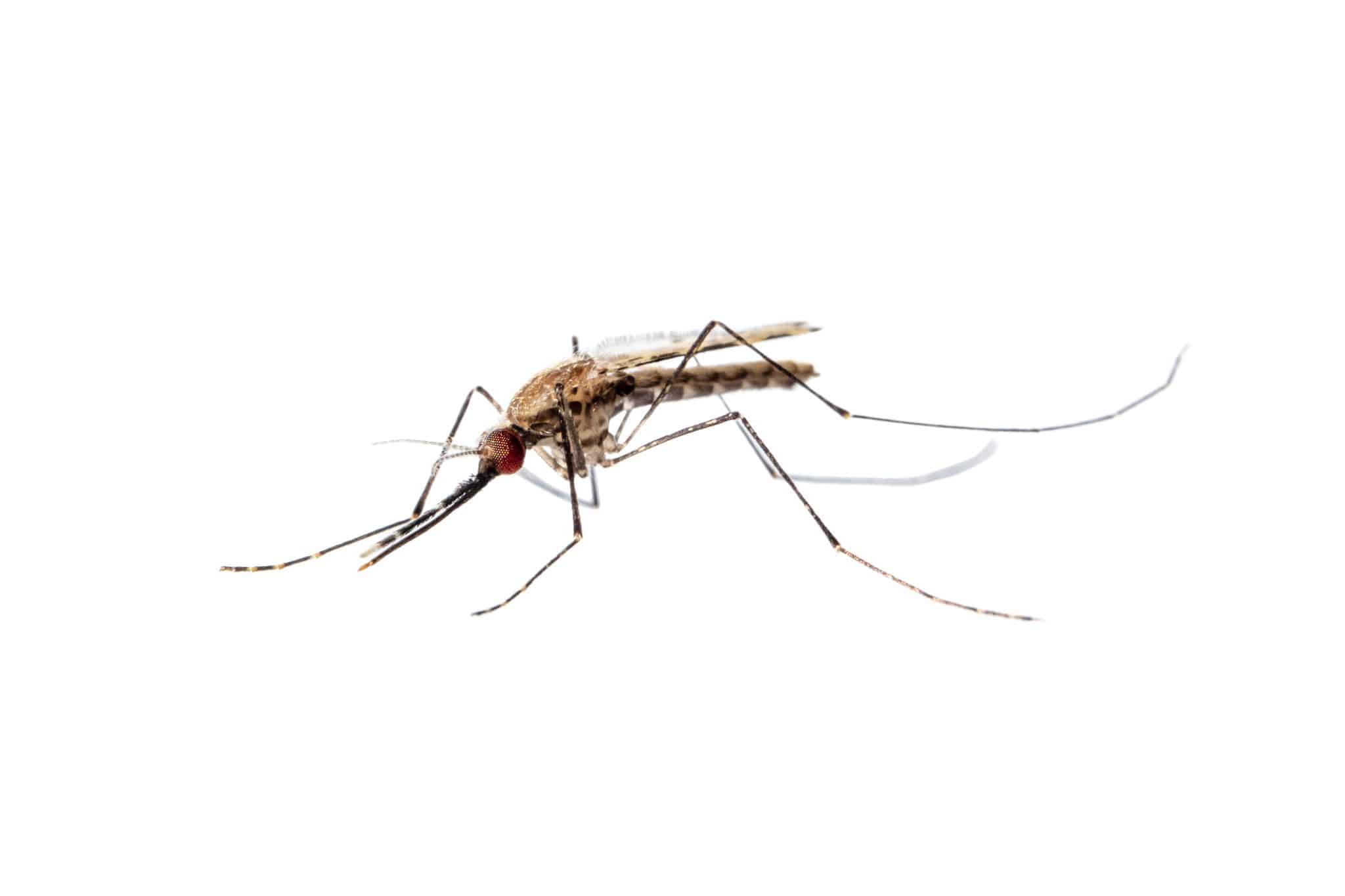
Only adult, female Anopheles mosquitoes can transmit malaria to humans. These mosquitoes primarily bite at night between the hours of 9 PM and 5 AM.
Our current work focuses on modifying two African mosquito species: Anopheles gambiae and Anopheles coluzzii. These two species account for the greatest number of malaria cases and deaths.
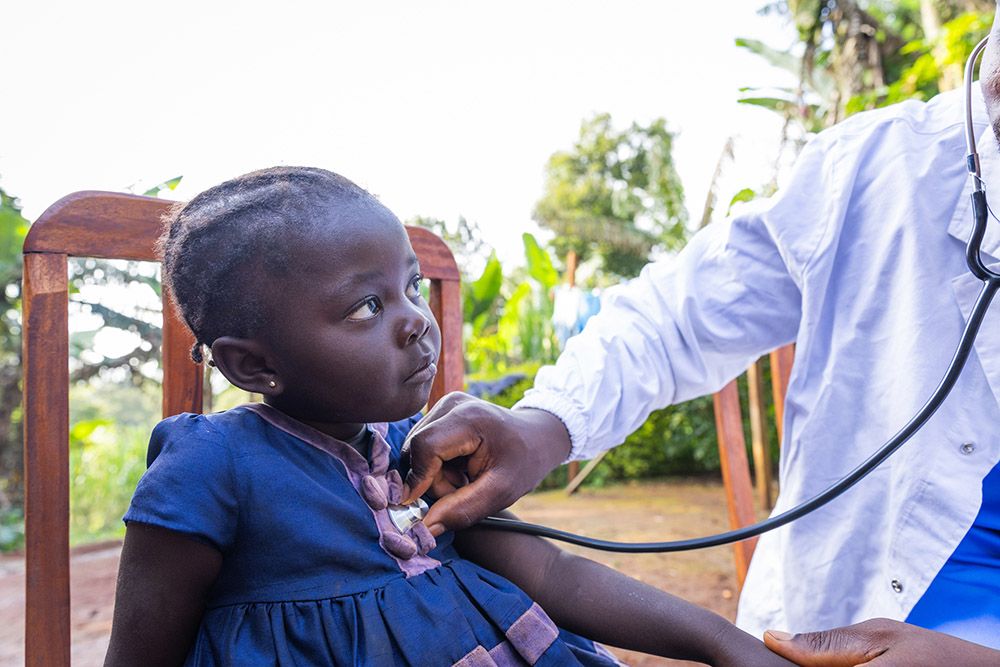
Symptoms typically begin 10 days to 4 weeks after infection. They include fever, headache, body aches, nausea, and vomiting.
Severe malaria infections can cause anemia, hypoglycemia, or cerebral malaria, which can cause coma, seizures, life-long learning disabilities, and death.
Malaria is one of the world’s deadliest diseases. It has a tremendous social and economic impact and is preventable.
In 2024, the World Health Organization (WHO) reported an estimated 282 million malaria cases worldwide, with most cases occurring in the WHO African Region. Pregnant women and children under five remain at highest risk of severe disease and death from malaria.
Africa is the most affected region because of the scarce resources
and infrastructure, socioeconomic instability, and high malaria transmission throughout the year.
In 2024, about 76% of all malaria deaths in the African region were children under the age of 5.
Long-Lasting Insecticide treated bed Nets (LLINs), prevent malaria transmission by killing mosquitoes that land on the net while trying to bite the person sleeping beneath it.
Providing a full course of anti-malarial drugs (Artemisinin-based combination therapies [ACTs]) can rapidly reduce the incidence and prevalence of the disease.
Spraying long-lasting insecticide on the inside walls of people’s homes (Indoor Residual Spraying, IRS), where mosquitoes usually rest, helps kill mosquitoes and reduce the rate of malaria transmission.
Immature mosquito stages, that live in small bodies of water, can be killed by the application of a bacteria called Bacillus thuringiensis, which produces a toxin that kills the larval mosquitoes, but is harmless to humans and other mammals. This reduces the adult mosquito population and thus reduces malaria transmission.
When used in combination, the current safe, effective, and proven control interventions have shown that the impact of malaria can be reduced.
Prompt diagnosis and treatment is the most effective way to prevent severe illness and death. Many people in malaria-endemic countries do not have access to health care, funds to pay for care, or understanding of when to seek care.
Health systems in these countries often lack tools and resources they need. Improved systems for monitoring, and accurate reporting of malaria data are needed. Access to current malaria control methods (listed above) is also dependent on funding, available resources, education, and availability.
In most malaria-endemic African countries, malaria control is funded, in part or entirely, by external sources.
The cost of sustaining malaria control and elimination efforts continues to rise without an increase in the global financial commitment.
Mosquitoes are developing resistance to insecticides and the parasites are developing resistance to drugs.
This means the current control methods are not always as effective as they once were.
Most of the tools being used to control malaria today were developed in the last century or earlier. Today the cost and long-term sustainability of these tools pose challenges. UCMI is working to circumvent these challenges by developing novel genetic approaches for malaria control.