UCMI and Malaria No More co-host event on Capitol Hill
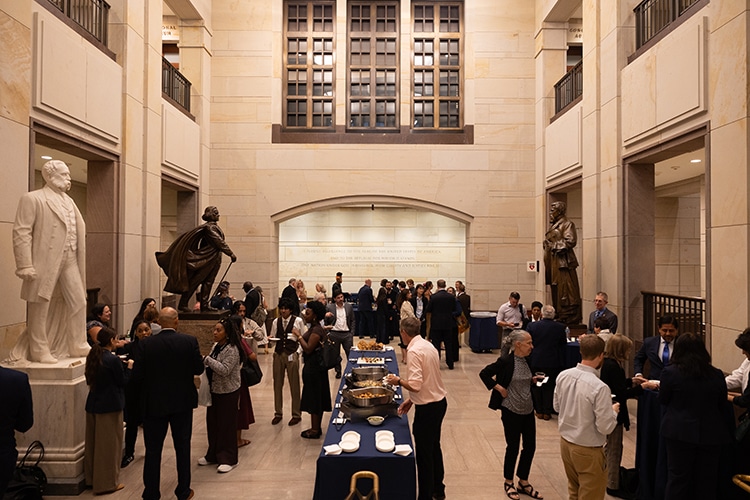
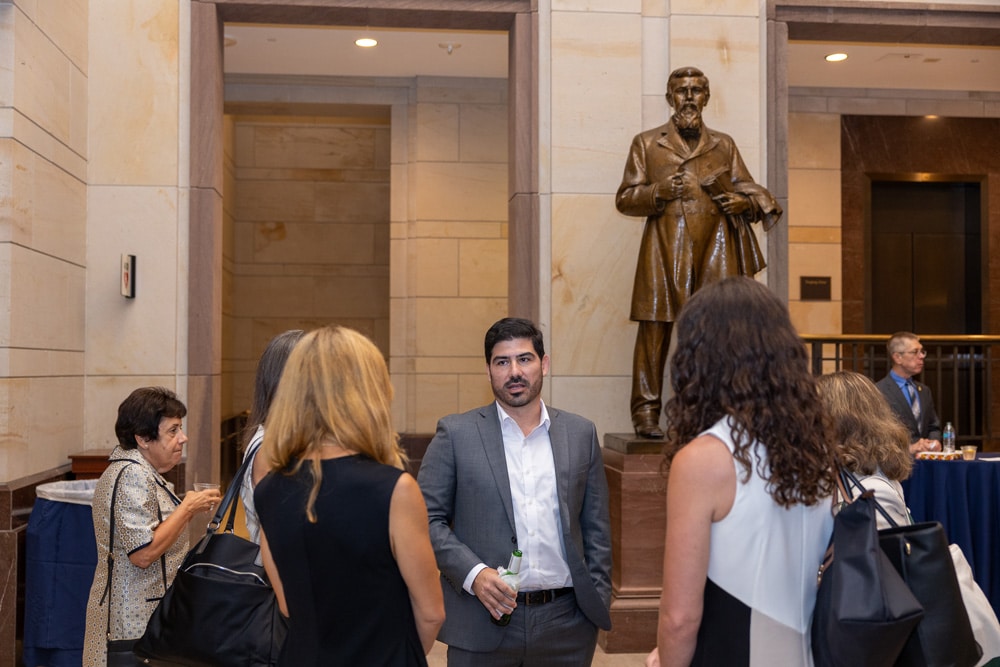
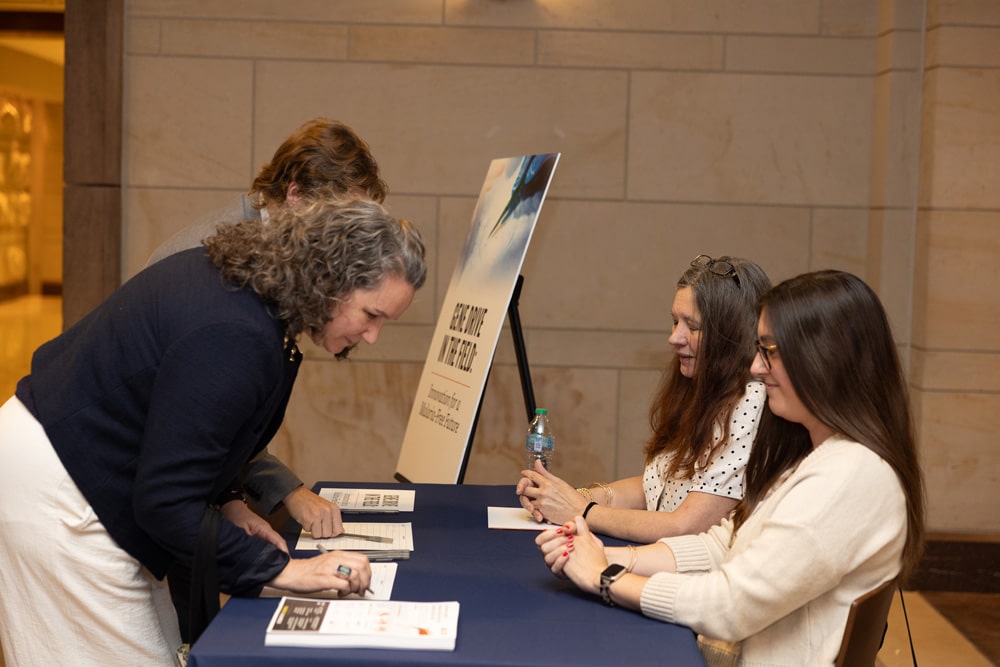
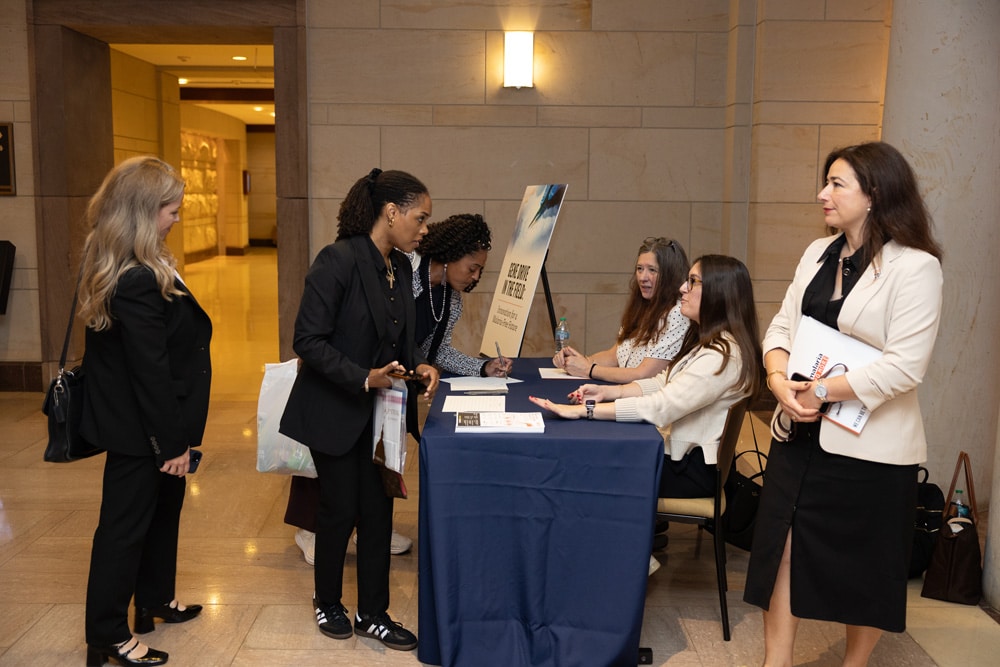
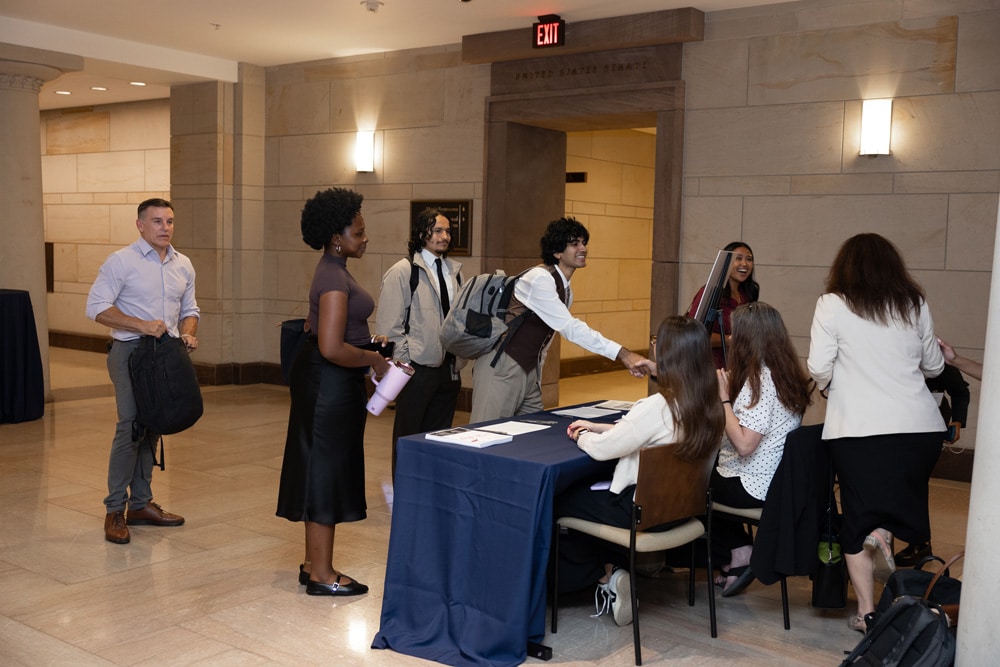
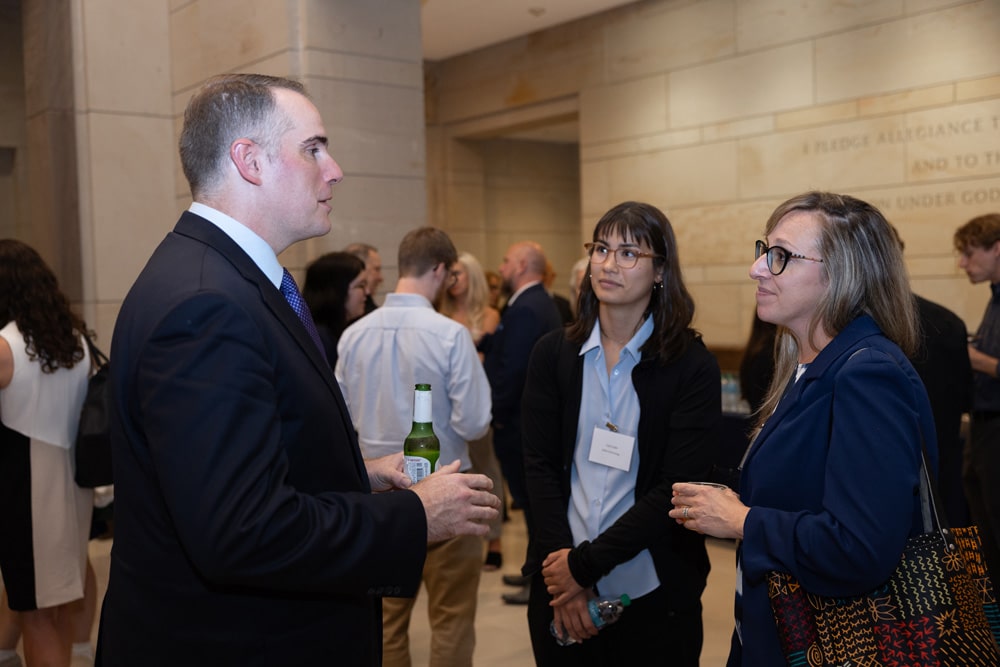
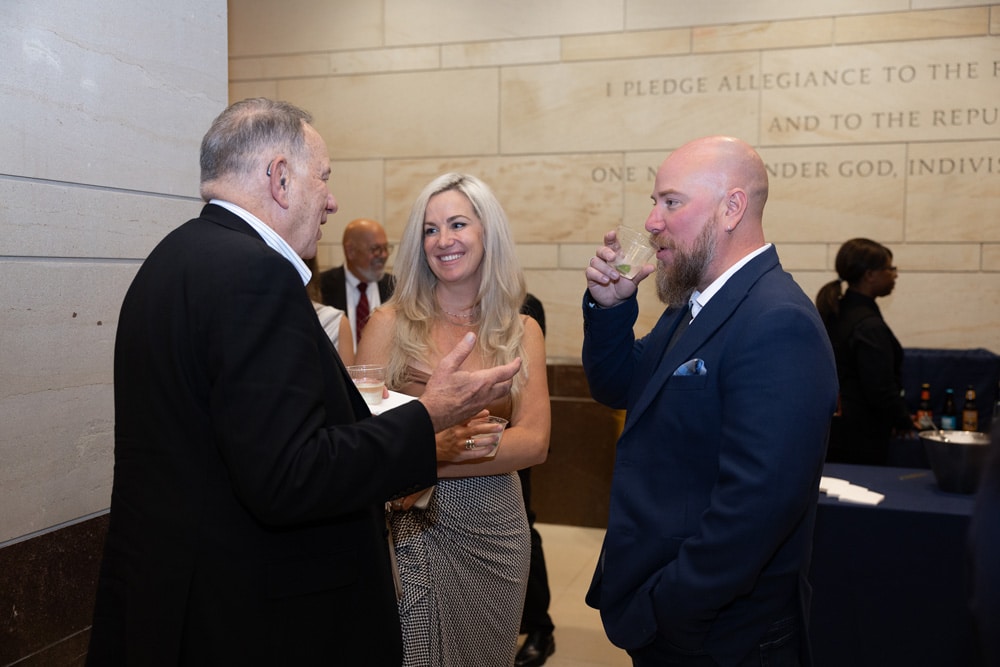
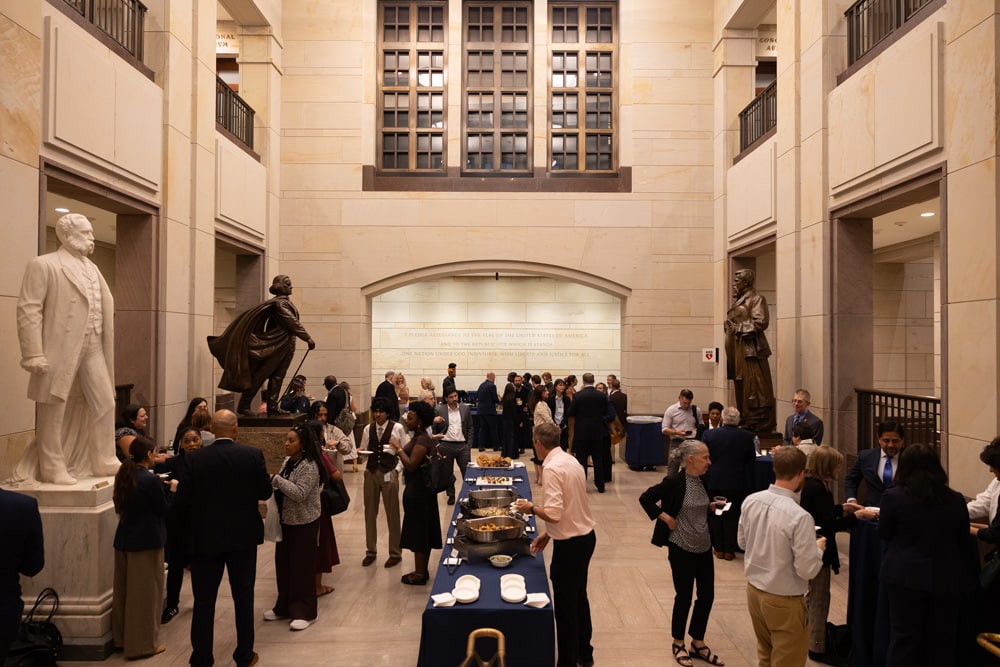
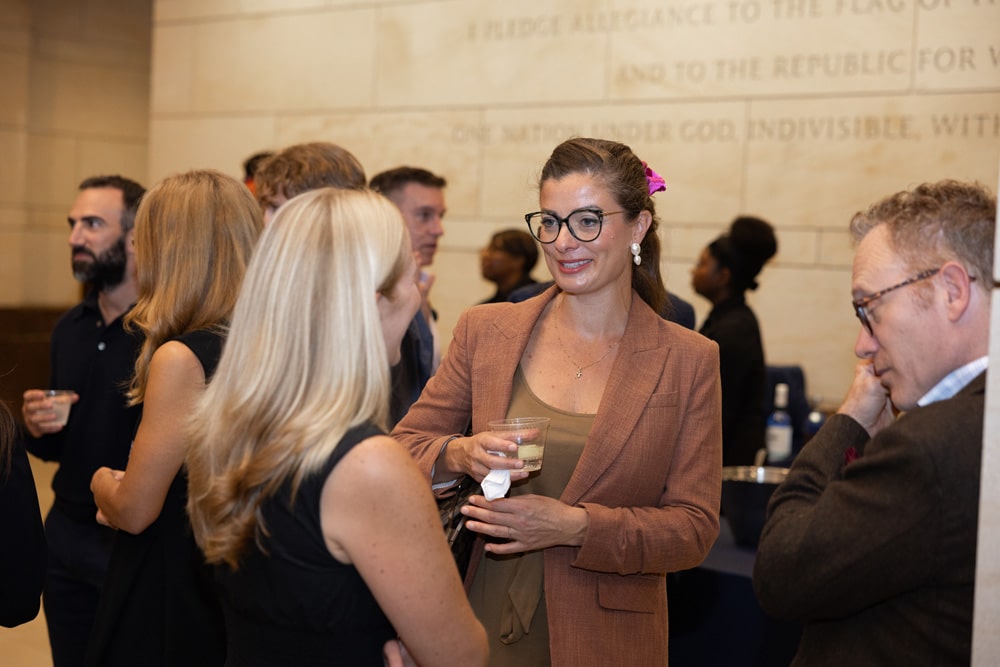
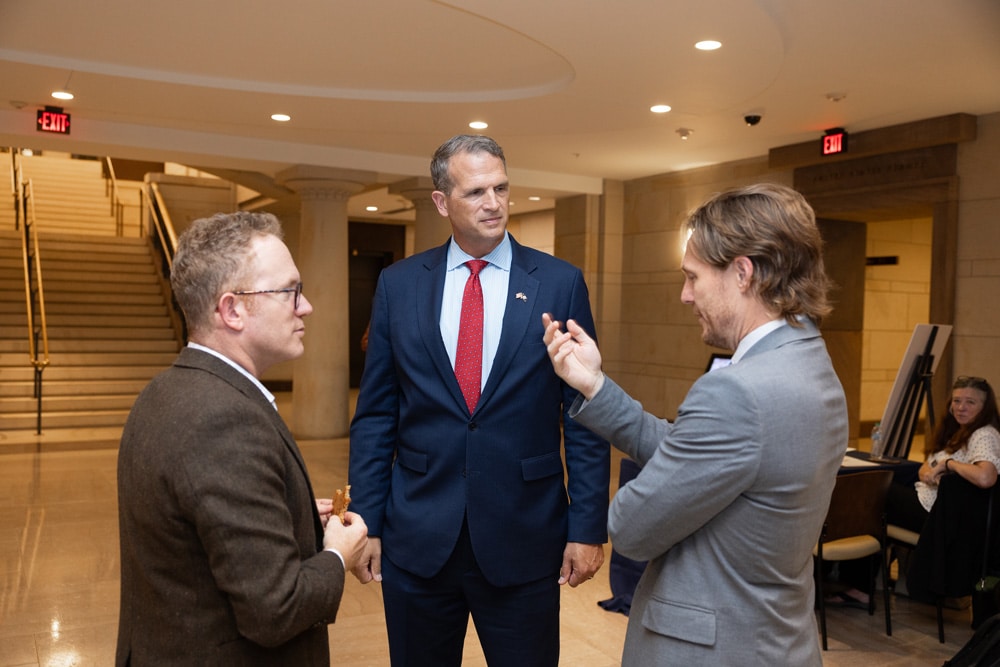
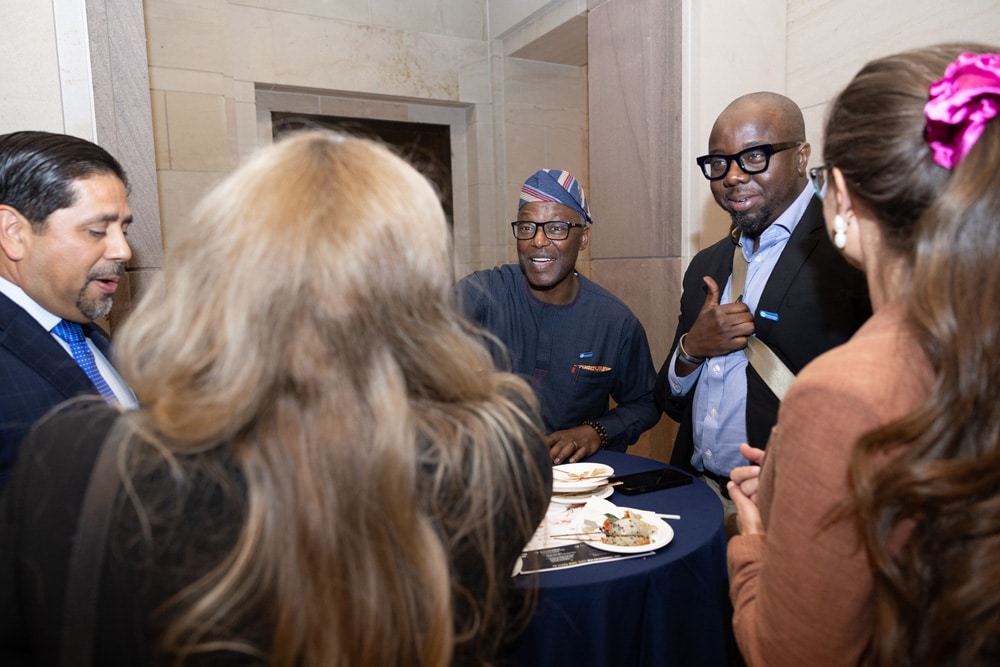
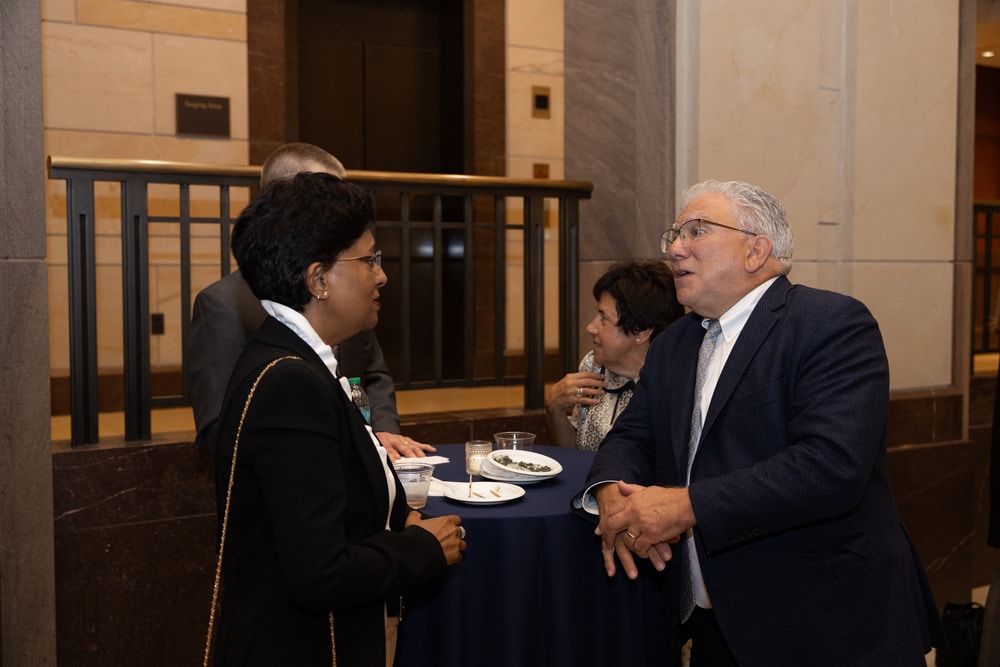
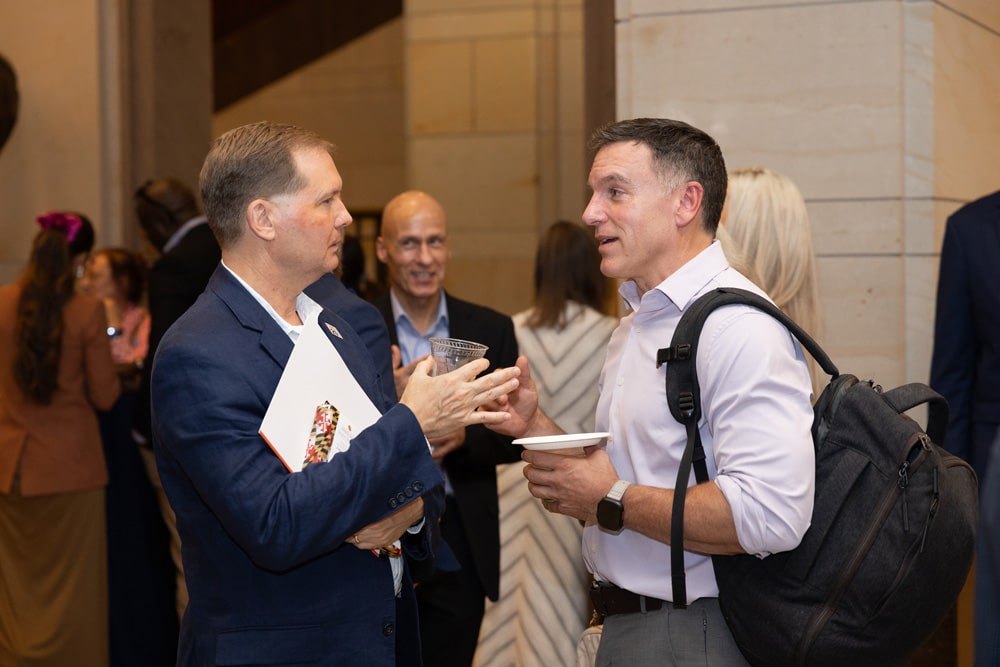
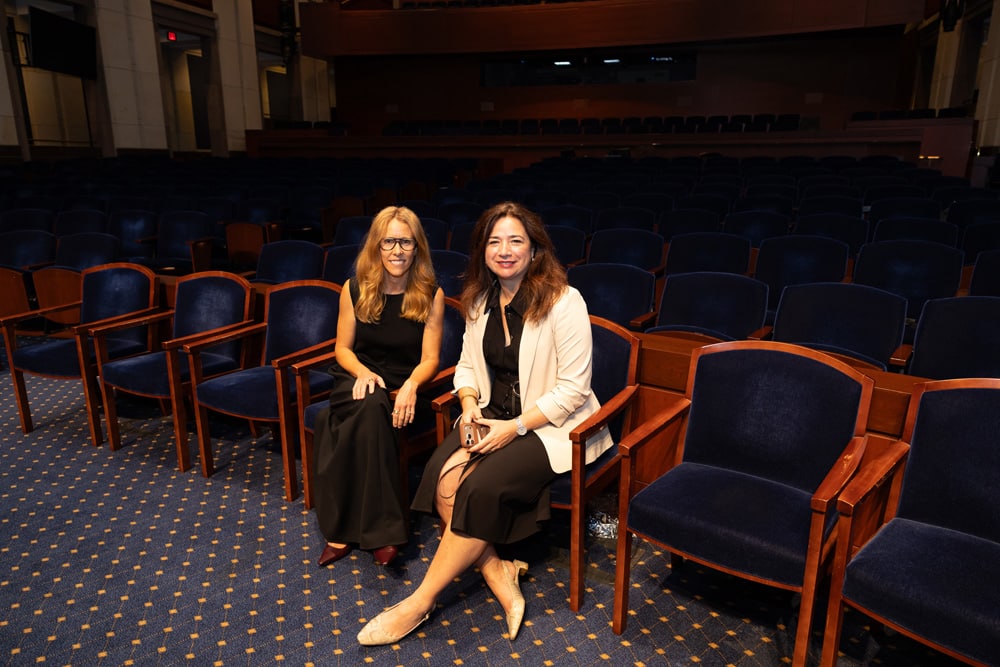
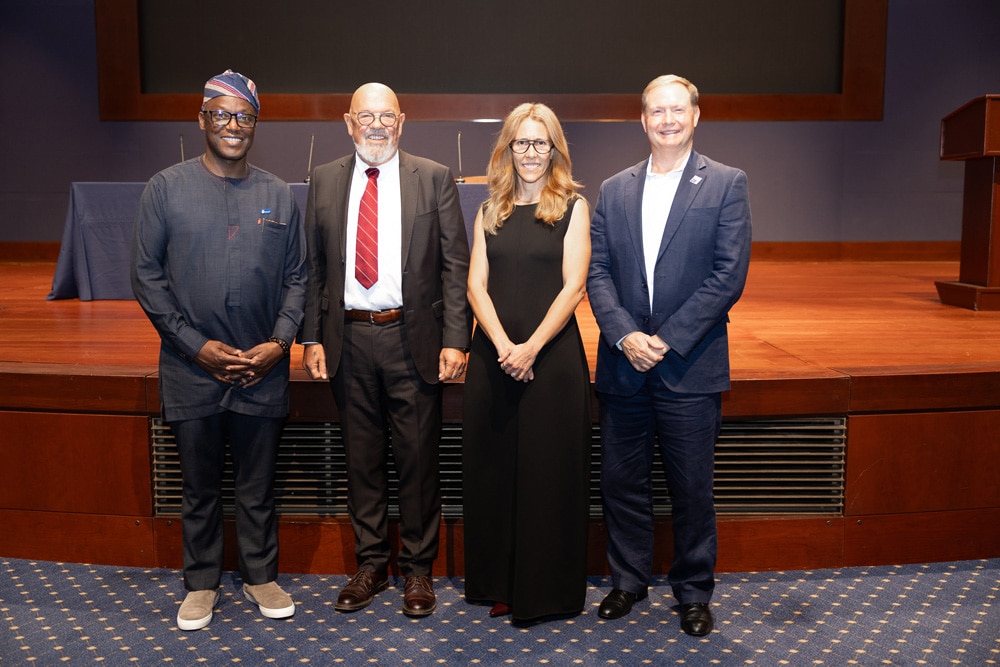
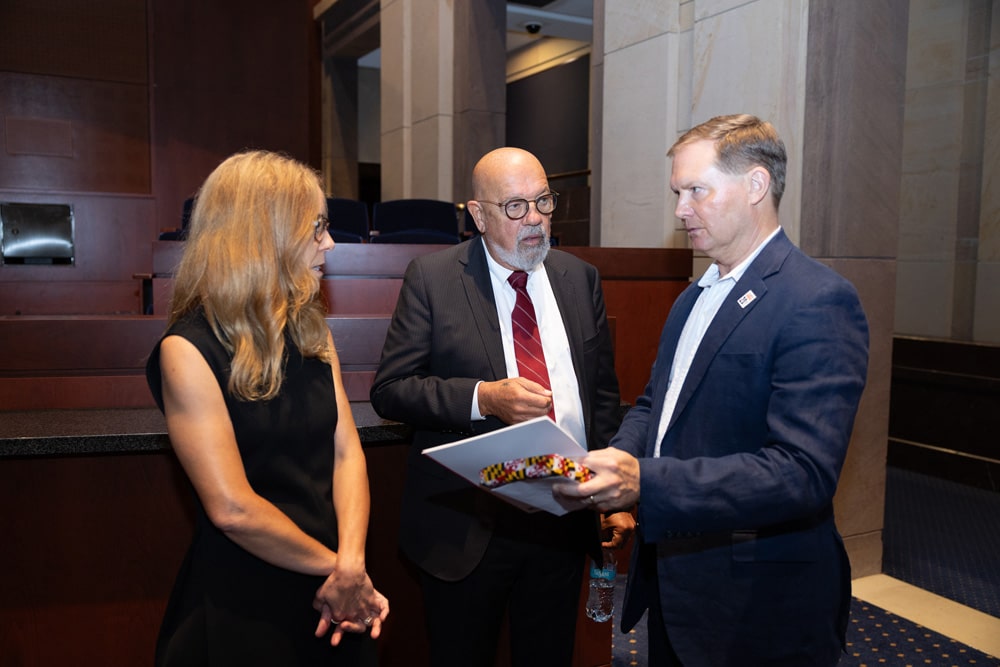
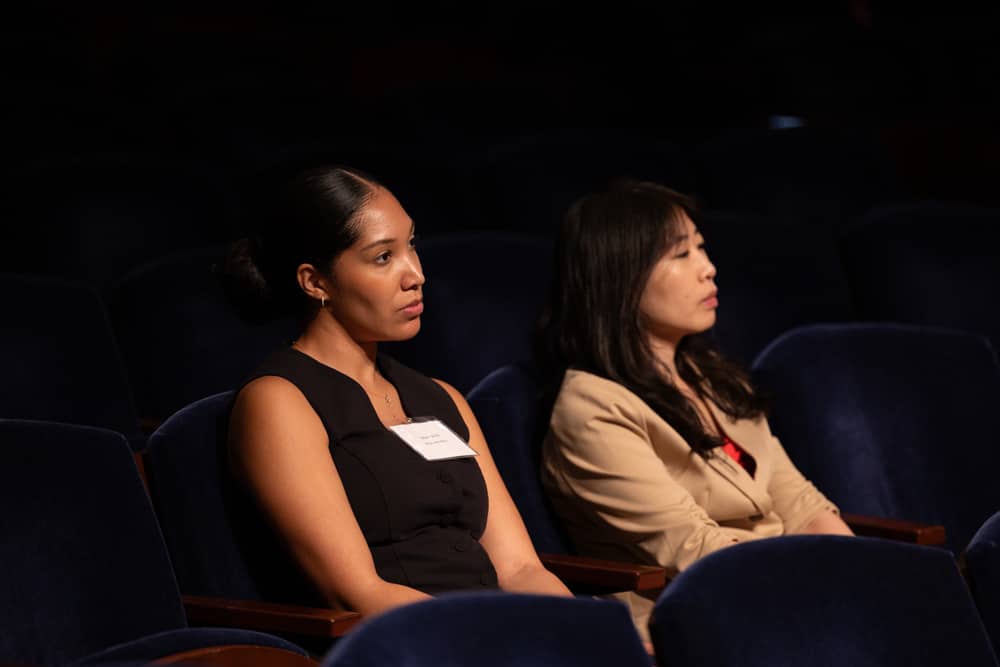
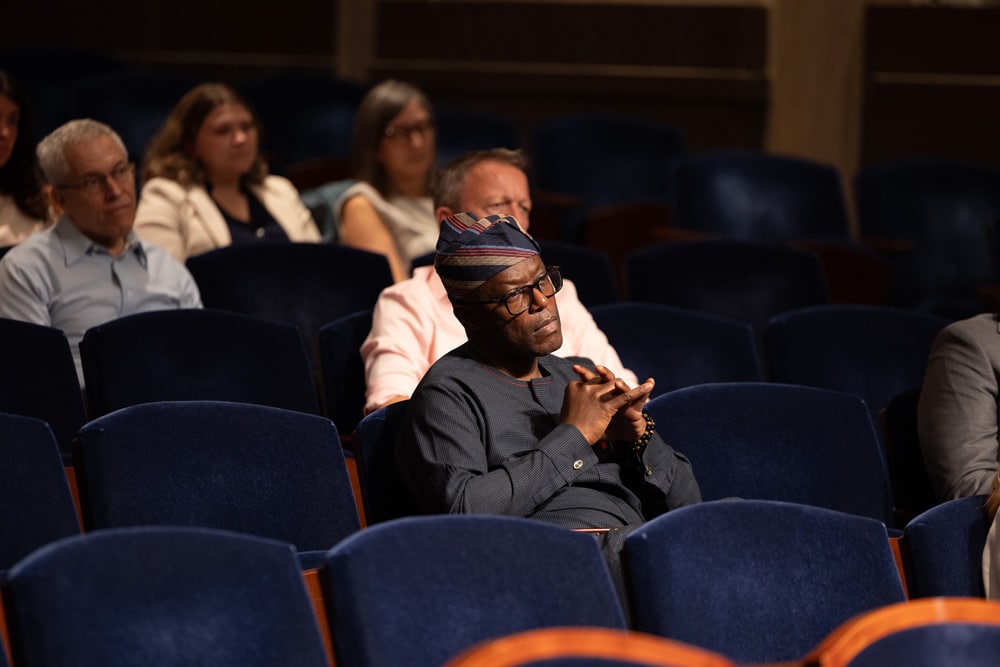
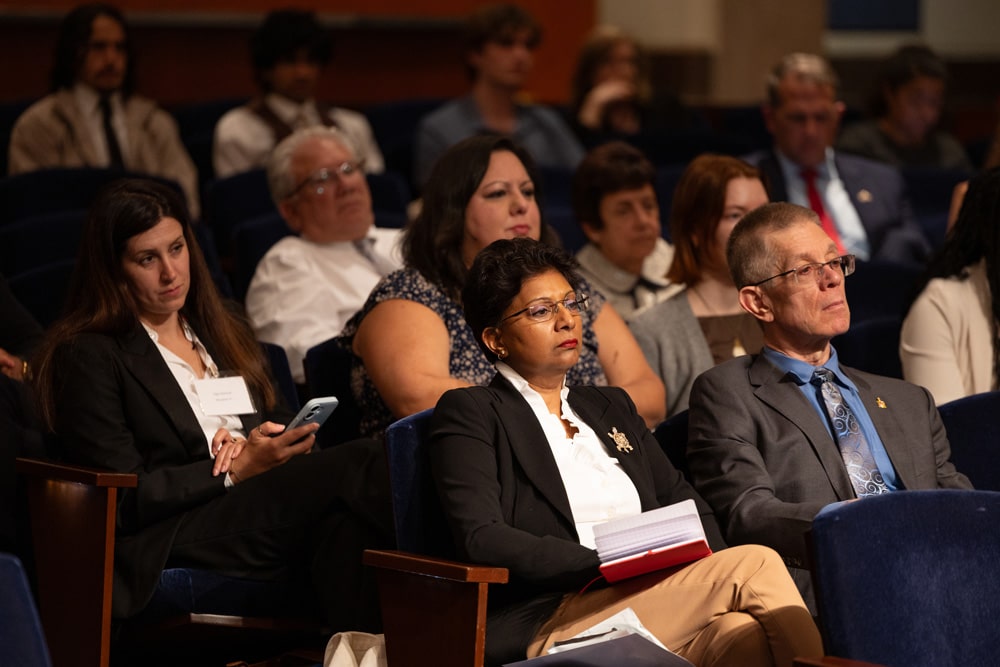
On September 17, UCMI and Malaria No More held a special event titled “Gene Drive In the Field: Innovation for a Malaria Free Future” at the U.S. Capitol Visitor Center in Washington, D.C. This was a special briefing on the UCMI gene drive technology, followed by a screening of Anopheles, the UCMI documentary that highlights efforts to eliminate malaria in the Republic of São Tomé and Príncipe. The event explored how scientific innovation, partnership, conducive policy and regulatory environments, U.S. leadership, and continued Congressional support can translate promising innovations into public health impact and greater global health security.
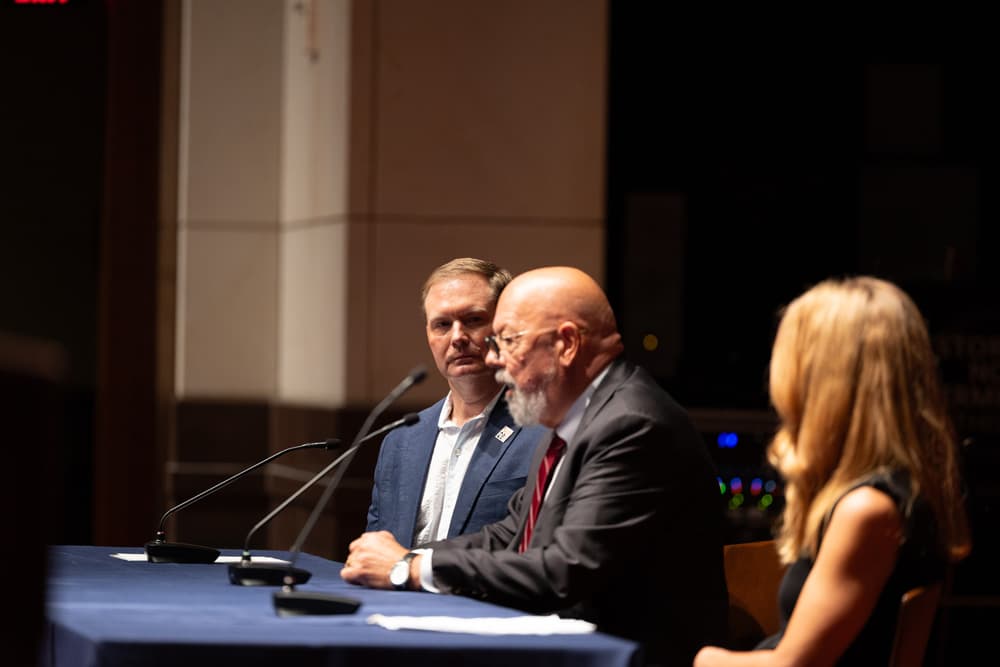
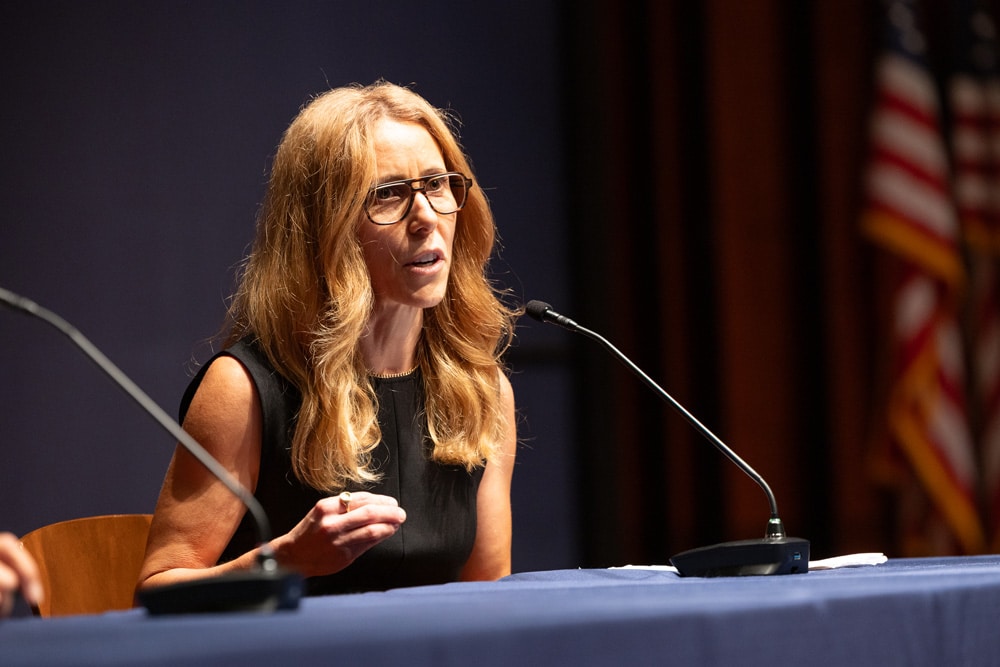
Malaria No More CEO William Steiger sat down with Dr. Greg Lanzaro, UCMI Principal Investigator and Director of the Vector Genetics Laboratory at UC Davis, and Ana Kormos, UCMI Executive Director to discuss the science behind UCMI’s work, research in São Tomé and Príncipe, public engagement, and the initiative’s growing partnership with Equatorial Guinea.
Dr. Lanzaro began his career studying population and evolutionary genetics. He told the audience how an opportunity to conduct research in Mali changed the direction of his work, showing him how the science that interested him could be applied to the challenge of malaria.
That research contributed to the approach UCMI is developing today: modifying malaria-transmitting mosquitoes so they can no longer transmit the parasite, while using Gene Drive technology to increase the likelihood that those traits are inherited.
Dr. Lanzaro also explained why islands became an important focus for UCMI’s early field research. Geographic boundaries can limit mosquito movement, and in São Tomé and Príncipe, a single mosquito species is responsible for transmitting malaria, the same species UCMI has engineered. UCMI has now worked in the country for eight years, studying local mosquito populations and working alongside national partners.
That work provides the setting for much of Anopheles. Kormos explained that the film was created to make the science more personal and accessible, which “is important in building broad public and political support for this technology”.
“The film was created to put human faces to a challenge that I think can feel really abstract to a lot of people.”
The documentary follows communities, health workers and researchers in São Tomé and Príncipe, connecting the science to people who experience malaria and work to fight it every day.
Kormos also spoke about what is needed beyond the science. She pointed to political will, trusted national partners, support from international public health organizations and greater public awareness as key to bringing new malaria tools forward.
“Stay informed, advocate, and share information,” she told the audience, encouraging attendees to continue those conversations with colleagues, families and friends.
Malaria No More helped bring that conversation to Washington, providing a forum to share UCMI’s work and discuss the role innovation could play in malaria elimination.
Equatorial Guinea, which invited UCMI last year to partner in its Vision 2030 malaria elimination strategy, was represented through a recorded message from the country’s Minister of Health and Social Welfare, H.E. Mitoha Ondo’o Ayekaba. He spoke about his own experience growing up with malaria and the country’s commitment to elimination.
“Malaria is not an abstract subject for me. I grew up with it, and I had it many times as a boy, and so did my brothers and sister and the children around us.”
The Minister discussed Equatorial Guinea’s progress against malaria, collaboration with UCMI on the island of Annobón, and the country’s plans for the potential use of Gene Drive technology.
“The people of Annobón will proceed with their understanding and under the authorization of our government,” he told the audience, while welcoming UCMI as a partner in the country’s malaria elimination effort.
After the video, Kormos pointed to Equatorial Guinea’s national leadership and its longstanding partnership with MCD Global Health as important foundations for the work ahead.
“We have a lot of the key components that are really important and necessary to move this forward,” she said.
The evening concluded with a screening of Anopheles, directed by Will Agee, who was in attendance.
The discussion brought several parts of UCMI’s work together at the Capitol: the science Dr. Lanzaro and colleagues have spent decades developing, the partnerships and public engagement Kormos described, and the leadership of countries pursuing malaria elimination. Malaria No More provided a forum to bring those perspectives together and share the work with a wider audience.
UCMI continues its research in São Tomé and Príncipe while our partnership with Equatorial Guinea moves forward as part of the country’s Vision 2030 malaria elimination strategy.
Anopheles is available to watch in English and Portuguese at AnophelesDocumentary.com and also streaming on Roku for free.