Young Voices, New Conversations: Meet UCMI’s Digital Ambassadors
In São Tomé and Príncipe, four content creators are using social media to tell a different kind of story. Using their platforms, they’re helping make conversations about malaria, public health, and scientific innovation more accessible to younger audiences.
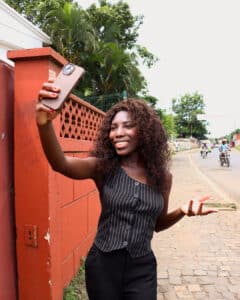
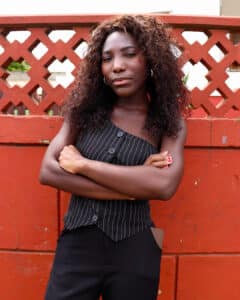
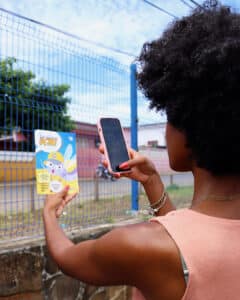
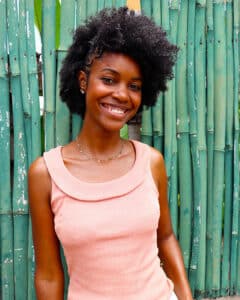
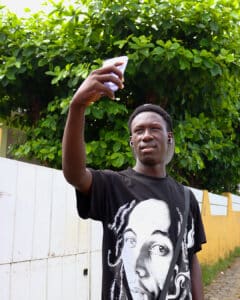
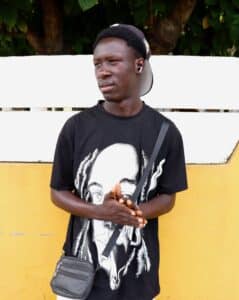
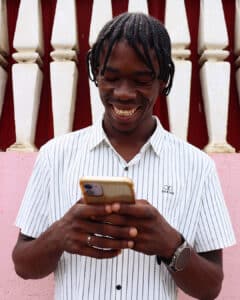
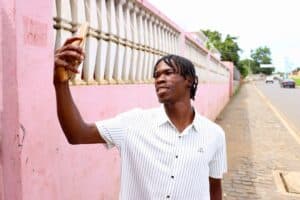
Meet UCMI’s Digital Ambassadors: Quilsa Morrema, Débora Leal, Mauro Gomes (Mauricio Meiki), and Leonilsio Pascoal (Lévi Staylor), whose content creation efforts on TikTok and Facebook caught the attention of the local UCMI team after appearing among their suggested profiles to follow.
As the UCMI team took a closer look at their content, they began to understand why these creators had built such engaged audiences. Conversations in the comments section revealed that many of their followers were young people who appeared to be more receptive to public health information when it came from individuals they could relate to rather than institutions or traditional media outlets.
So, after reaching out to each influencer individually, the opportunity presented itself for the entire group to engage with UCMI and become valuable partners in raising awareness about malaria and the innovative technology UCMI is developing to help combat the disease. And while only some members of the group knew each other prior to joining the program, collaboration was simple as they have always been united by a common goal: helping their communities better understand the fight against the malaria in a way that was engaging, accessible, and easy to understand.
Lévi is the most seasoned creator of the group, with four years of experience on TikTok and two years on Facebook. Maurício joined TikTok two years ago. Débora and Quilsa are newer to the platform, with six and five months of experience, respectively, although Quilsa has been active on Instagram for two years.
“I didn’t expect the reaction to be so positive,” says Quilsa. “I started researching the topics I needed to talk about, and people really responded. Many had never heard about the project before, and this isn’t the type of content people typically see on social media.”
Débora shared a similar experience. “At first, I wasn’t sure the message would resonate, but I received a lot of positive feedback. People said it was important to show that São Tomé is about more than just beautiful scenery, and that the information was presented in a simple and detailed way.”
Maurício noticed that many comments reflected personal experiences.
“A lot of people said they had suffered from malaria themselves and were glad to see young people talking about the issue,” he says.
Lévi also observed a range of reactions. While some followers reached out privately to learn more about the project, others expressed concerns that it could potentially increase malaria transmission – making the education component of their work even more critical.
“People here often focus on the negative side first,” he reflects.
By meeting people where they are and speaking in a language their audiences understand, these young creators are helping turn skepticism into curiosity and curiosity into awareness. Through their digital presence, authentic voices, and trusted relationships with their followers, they have become a vital link between science and the communities it aims to serve.
Readers can follow the group via TikTok at:
Débora Leal: https://www.tiktok.com/@debora.lealc
Quilsa Morrema: https://www.tiktok.com/@qmorrema
Lévi Staylor: https://www.tiktok.com/@levistaylor.ofc
Maurício Meiki: https://www.tiktok.com/@mauricio.meik